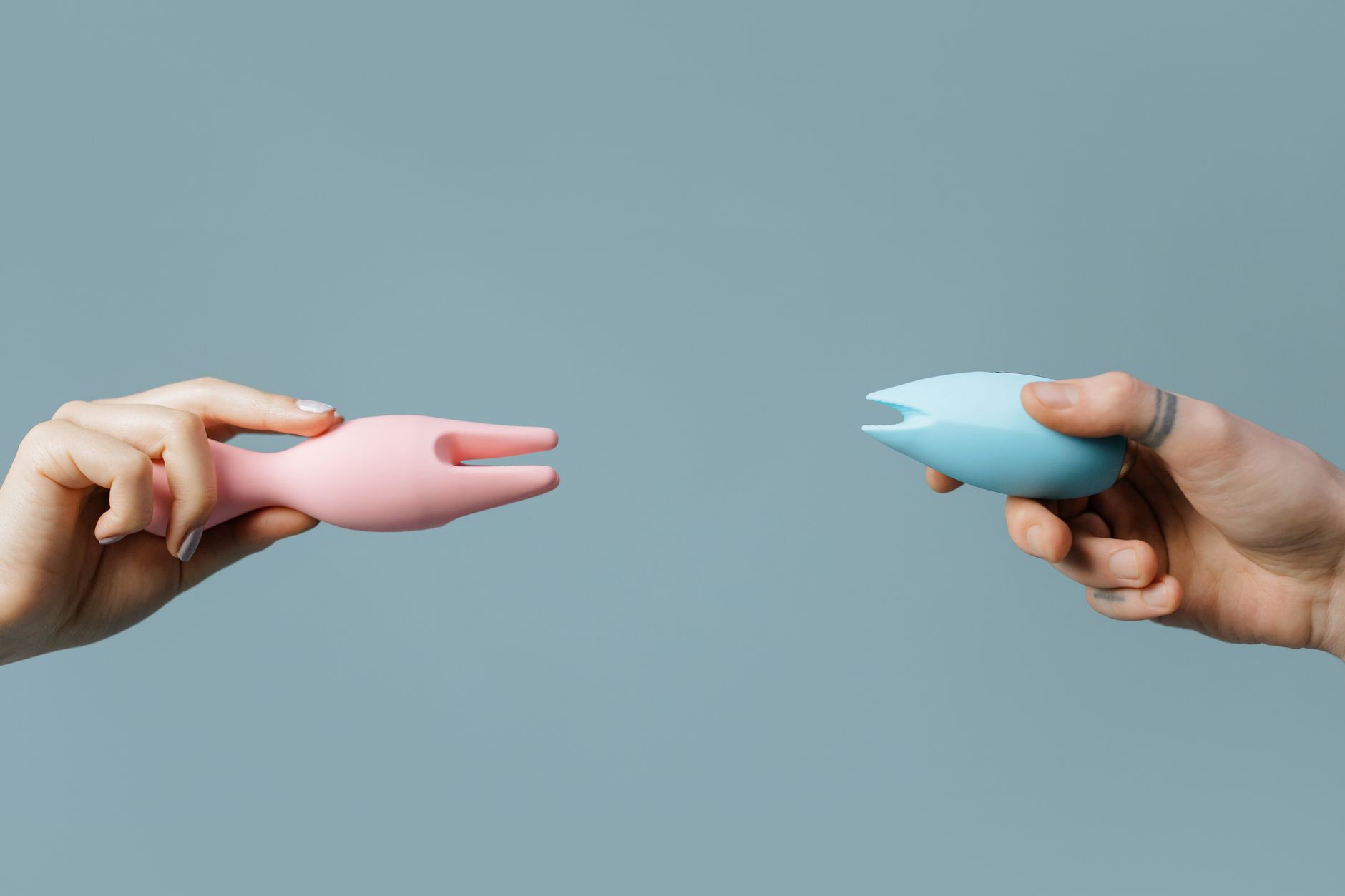
Here's the thing about anxiety and arousal
Anxiety and arousal are not opposites. They're competitors for the same nervous system real estate. When you're stuck in fight-or-flight mode, your body prioritizes survival over sensation. Blood diverts away from your genitals. Your pelvic floor tightens. Touch becomes harder to feel, not because you've lost capacity, but because your threat-detection system has commandeered the controls.
This is not a character flaw. It's neurology.
Why anxiety blocks pleasure at the physical level
Here's what happens when anxiety is running the show. Your amygdala, the brain's alarm center, keeps your nervous system in sympathetic activation. That's the branch of your autonomic nervous system that's wired for fight, flight, or freeze. Pleasure lives in the parasympathetic nervous system. The rest-and-digest branch. The two cannot operate at full volume at the same time.
When you're anxious, several things shut down at once:
- Blood flow to the clitoris decreases. This means less engorgement, less sensitivity, less natural lubrication. Touch that would normally feel exquisite becomes muted or even uncomfortable.
- The pelvic floor holds tension. Your muscles tighten protectively. This makes orgasm harder to reach and often makes penetrative sensation feel like pressure instead of pleasure.
- The clitoral hood tightens. Direct touch can feel too intense, almost raw, because the protective tissue is already contracted.
- Your mind stays in observation mode. You notice yourself feeling pleasure instead of being inside the experience. Performance anxiety creeps in. And then pleasure disappears entirely.
The good news: this is completely reversible. Lemon vibrators work specifically well for anxiety-blocked sensation because they don't require the kind of mental focus that direct manual stimulation does. They just work.
Why lemon clitoral vibrators bypass anxiety differently
The Lemon vibrator uses suction and gentle pulsing, not aggressive vibration. That matters when you're anxious. Here's why.
Traditional vibrators demand that you find and maintain the exact right pressure, angle, and rhythm. When you're anxious, that becomes a task. Your brain is already working overtime just trying to stay calm. A lemon sucker works differently. The suction mechanism creates a seal and does the rhythmic work for you. You don't have to think about it, angle it, or adjust it obsessively. That cognitive offload alone often helps the nervous system settle.
Second, suction stimulates deeper nerve clusters in the clitoral structure without the kind of surface friction that can feel overwhelming when you're already on edge. It's a gentler, more diffuse sensation. Anxiety-bound tissue responds better to this kind of stimulation than to sharp, localized vibration.
Third, many people find that the rhythmic pulsing of a lemon clitoral vibrator has a genuinely soothing effect. It's repetitive. It's predictable. Those qualities can actually help downregulate an anxious nervous system. Some clients describe it as meditative.
Building a nervous-system-first routine
Using a lemon vibrator when anxiety is in the picture requires a different setup than using it for general pleasure. Here's how I recommend approaching it:
Start with nervous system work, not stimulation. Before you even touch a lemon sucker, spend 10 minutes settling your nervous system. This might be deep breathing (4-count in, 6-count out), a short guided body scan, or lying down in a dark room with music that makes you feel safe. The goal is to get your heart rate down and your parasympathetic nervous system online. This isn't wasted time. It's the foundation everything else sits on.
Use the vibrator as a tool for presence, not performance. Turn it on at the lowest setting. Don't aim for orgasm. Instead, focus on sensation. How does the suction feel against your skin? Is it comforting or overwhelming? There's no right answer. You're just noticing. This retrains your nervous system to associate pleasure with observation rather than achievement.
Keep sessions short and pressure-free. Twenty minutes is plenty. In fact, many people with anxiety find that longer sessions create pressure ("I should be coming by now") that kills the work entirely. Short, regular exposure teaches your nervous system that pleasure is accessible and safe, not something that requires marathon effort.
Use lubrication even if you think you don't need it. Anxiety reduces natural lubrication. Water-based lube isn't just practical. It also signals to your nervous system that this is a supported, cared-for experience. The presence of lube becomes a somatic marker of safety.
The connection between breath and sensation
If you're using a lemon vibrator for anxiety-blocked arousal, your breathing is as important as the device itself. Anxiety keeps people in shallow chest breathing. Pleasure requires belly breathing. Deep, full breaths that take your parasympathetic nervous system offline.
Here's a practical move: when you're using the lemon clitoral vibrator, sync your breathing to the pulsing rhythm. If the lemon vibrator is on pattern 2 or 3, match that rhythm with your exhales. Breathe in for a count of 4. Exhale in pulses that match the device. This does two things at once. It anchors your mind in the present moment (which interrupts anxiety spiraling). And it literally activates the nervous system branch where pleasure lives.
Many clients find that orgasm, when it comes, arrives almost accidentally during this kind of focused breathing. And that's exactly how it should feel.
When anxiety shows up mid-session
Sometimes you'll be using your lemon vibrator and anxiety will spike out of nowhere. A thought spirals. Your mind gets loud. Your body tenses. Here's what not to do: don't push through it. Pushing creates more tension, more vigilance, more arousal-blocking.
Instead, pause. Keep the vibrator on. Close your eyes. Notice the sensation without the narrative. Your job is to separate the vibration (which is neutral information) from the story your anxious brain is telling about it. "I should be feeling more." "This isn't working." "Something is wrong with me." Those are thoughts. The vibration is just sensation.
After 20 or 30 seconds of just feeling the vibration without judgment, you'll often notice the anxiety loosens its grip. When it does, you can usually return to the experience. If it doesn't, stop. This is not failure. You've just taught your nervous system that pleasure is never forced, never pressured, always respectable.
The role of partner dynamics in anxiety-blocked sensation
If you have a partner, anxiety around pleasure often has a relational layer. Maybe you're worried about taking too long. Maybe you feel self-conscious. Maybe past experiences have made you wary of vulnerability. Those layers don't disappear just because you have a lemon vibrator.
What helps: use the vibrator alone first. Build a relationship with it. Establish that pleasure is possible when you're not monitoring someone else's experience. Only when you've had consistent solo sessions with your lemon vibrator should you consider bringing it into partnered sex. And when you do, have a conversation beforehand. Tell your partner what you need. "I'm using this because my nervous system gets in the way. It's not about you. It's about me learning to feel." Most partners understand this. The ones who don't, probably need a different conversation altogether.
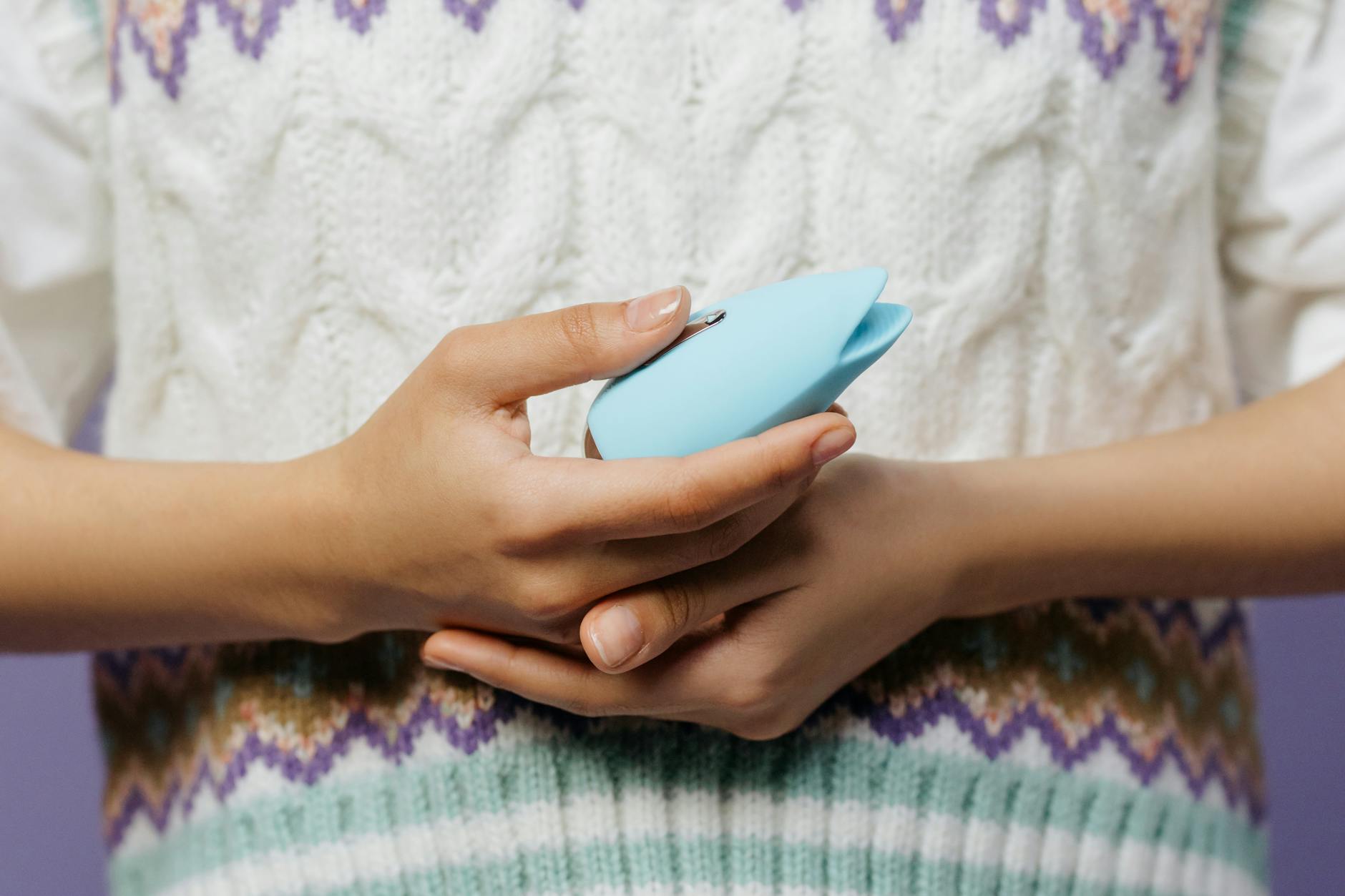
Photo by cottonbro studio on Pexels
When to bring in other support
A lemon vibrator is a powerful tool. It's not a substitute for addressing the root of the anxiety. If your anxiety around pleasure is tied to trauma, relationship patterns, or deep shame, please work with a therapist alongside using the vibrator. They're not competing approaches. They're complementary.
What I've seen work best is this: therapy addresses the psychological and relational roots of anxiety. The lemon vibrator addresses the somatic disconnection. Use both. The vibrator often makes therapy work faster because you're proving to your nervous system in real time that pleasure is safe and accessible. That evidence matters.
The small wins add up
When anxiety has been blocking arousal for a long time, you won't suddenly have transcendent orgasms the first time you use a lemon vibrator. You might just feel a little bit more sensation than you felt yesterday. You might notice that your pelvic floor relaxes 10% more on day three than it did on day one. You might spend two sessions just breathing and noticing, with no orgasm, and that's completely fine.
These small shifts accumulate. Your nervous system learns gradually that pleasure is possible even when anxiety has been running the show. That's how rewiring works. Not through force. Through patient, repeated, pressure-free exposure.
Your pleasure matters. And your nervous system will believe that once you start showing up for it with tools that actually work.
FAQ: Anxiety, sensation, and lemon vibrators
Why does my lemon vibrator feel uncomfortable when I'm anxious?
Tension in your pelvic floor and clitoral area makes direct stimulation feel overwhelming or even painful. When you're anxious, protective muscles contract. Start at the lowest setting of your lemon clitoral vibrator and focus on breathing and settling your nervous system first. Discomfort often resolves within a few sessions as your body learns that this experience is safe.
Can a lemon sucker actually help my nervous system settle?
Yes. The rhythmic pulsing of a lemon vibrator can activate the vagus nerve, which helps shift your nervous system from sympathetic (fight-or-flight) to parasympathetic (rest-and-digest) activation. Matching your breath to the vibration amplifies this effect. Many people find the repetitive, predictable rhythm genuinely calming.
Should I use my lemon vibrator when I'm having a panic attack?
Not during an active panic attack. Your nervous system is too flooded. Use grounding techniques first (the 5-4-3-2-1 sensory method, cold water on your face, deep breathing). Once you're regulated, a lemon vibrator can be a helpful tool for exploring pleasure without pressure. Save it for moments when anxiety is present but not acute.
How long before I notice that my lemon vibrator helps with anxiety-blocked sensation?
Some people notice a shift in their first or second session. Others take two to three weeks of consistent use before sensation opens up. Every nervous system is different. The key is not to measure yourself against a timeline. Just notice what's true today that wasn't true last week. That's progress.
Can I use my lemon vibrator if I'm on anxiety medication?
Absolutely. Many anxiety medications actually improve your ability to experience pleasure because they reduce the baseline noise of anxiety. If your medication has reduced sensation, that's a different issue and worth discussing with your prescriber. But the medication itself isn't a barrier to using a lemon clitoral vibrator.
What if my partner thinks using a lemon vibrator means something is wrong with our relationship?
That's a conversation, not a reason to avoid it. You might say something like: "I'm using this to reconnect with my own sensation. It's not about you. It's about me learning to feel safe with pleasure again." If your partner is still resistant, that resistance is worth exploring. Often it reflects their own anxiety about sex and intimacy. A couples therapist can help navigate that together.
Your capacity for pleasure is worth protecting. When anxiety has stolen it, tools like lemon vibrators help you take it back. That's not selfish. That's essential.
Resources for working through anxiety and pleasure
If you want to dive deeper into the nervous system and sensation, check out our guide on how to use a lemon vibrator for better sensation recovery after anti-anxiety medication. You might also find it helpful to explore how to use a lemon vibrator when sensate focus feels awkward or mechanical, which covers similar nervous system retraining techniques.
For broader context on rebuilding sensation after long periods of disconnection, read how to use a lemon vibrator after years without orgasm. And if anxiety shows up specifically around partnership dynamics, how to use a lemon vibrator when partner comparison and boredom kill sensation addresses that angle.
Therapy, self-compassion, and consistent practice with tools that actually work: that's the trio that rewires how your nervous system relates to pleasure. You deserve all three.