Here's the thing nobody tells you
Anti-anxiety medication saves lives. But it also flattens pleasure in ways that feel deeply personal and isolating, even though it's just neurobiology doing its job. You're not broken. Your medication isn't evil. But the gap between what you used to feel and what you feel now is real, and it matters.
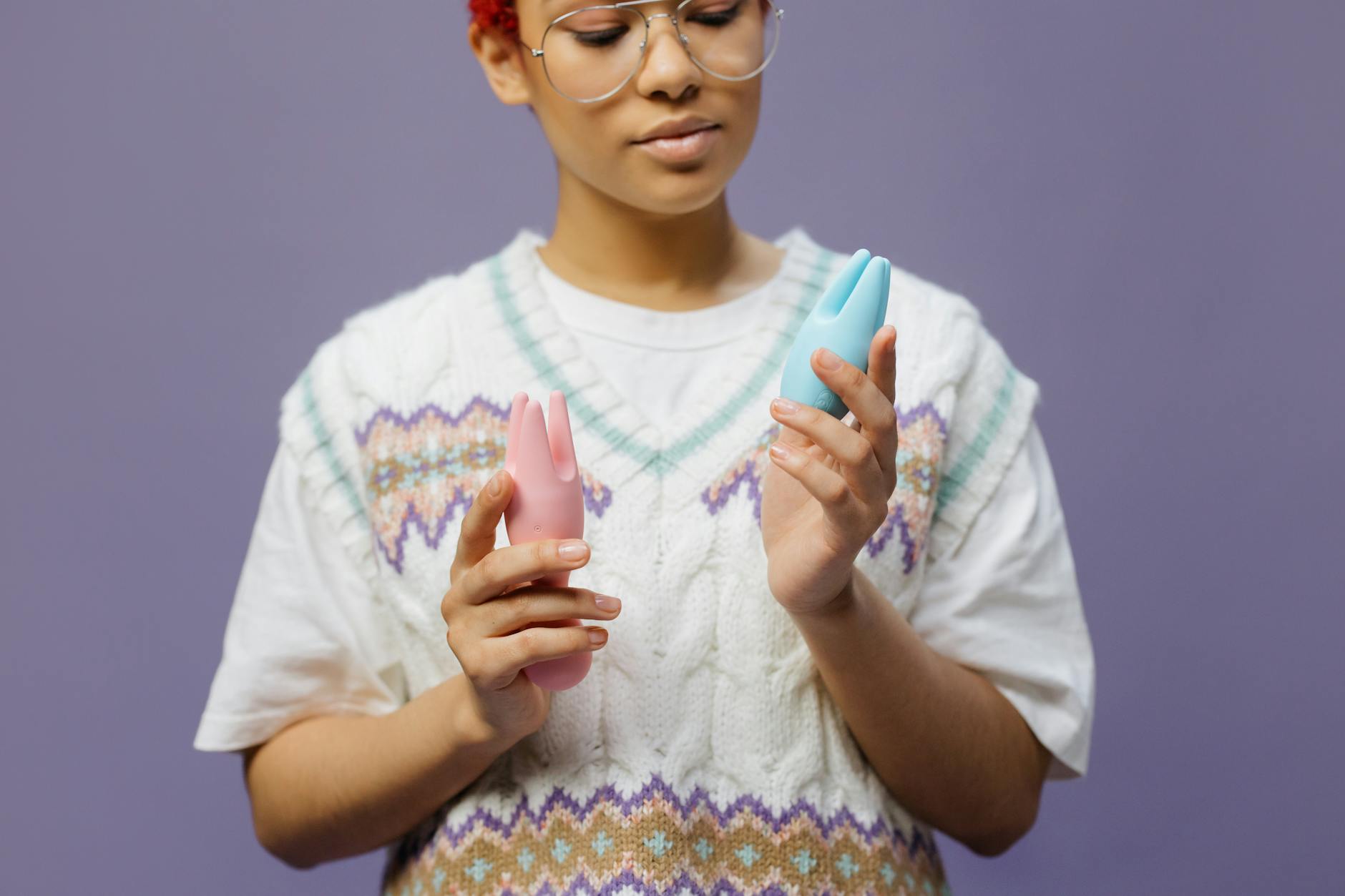
The good news: it's reversible. A lemon clitoral vibrator isn't magic, but it's one of the most effective tools I've seen for rewiring sensation pathways after medication-induced numbness. Let me explain how, and how to use it actually.
What SSRIs and anti-anxiety meds actually do to pleasure
Most anti-anxiety medications work by increasing serotonin in your brain. Serotonin keeps you calm, focused, and functional. That's the whole point. But here's the neurological catch: serotonin also regulates dopamine release during arousal and orgasm. Higher serotonin can mean lower dopamine, which translates to delayed orgasm, reduced sensation, or complete numbness.
It's not your fault. It's not even the medication's fault, technically. It's a system-wide trade-off. Your nervous system prioritizes emotional regulation over sexual response because historically, survival came before pleasure.
The sensation you've lost isn't gone. The neural pathways are still there. They're just muted. A lemon vibrator works because it bypasses the dampened sensory gates by delivering sustained, targeted stimulation that eventually re-opens those pathways.
Why a lemon vibrator specifically works for this
Not all vibrators are equal here. A standard vibrator applies buzzing friction, which requires your numbness-muted nervous system to respond. A lemon vibrator (including Hello Nancy's lem vibrator) uses air-suction technology instead. Suction stimulates differently than friction. It creates rhythmic pressure that engages nerve clusters more directly, bypassing some of the dampened sensory filters that anti-anxiety meds create.
Think of it this way. Friction says "feel this sensation." Suction says "wake up, something is happening." When your sensory gating is turned down, suction tends to break through faster.
Second, most people using medication-adjusted sensation need warmth, not intensity. A lemon clitoral vibrator runs cooler and allows precise control of intensity levels, which means you can start at a level your muted nervous system can actually process, then gradually escalate as sensation returns.
Third, the hand-hold of a dedicated lemon sexual toy means you control rhythm and pressure with total precision. Many anti-anxiety medication users find that partner-delivered stimulation feels too unpredictable when sensation is already unreliable. Solo exploration with a lemon adult toy lets you build trust with your own body again.
The sensation recovery timeline is not linear
Honestly. Some people get baseline sensation back in 2-3 weeks of regular use. Others take 2-3 months. A few people find they need to adjust their medication dose or switch medications entirely (talk to your psychiatrist about this separate from self-help).
What matters is consistency, not perfection. Using your lemon vibrator 3-4 times a week for 15-20 minutes matters more than an occasional marathon session. Your nervous system needs regular signals that pleasure pathways are safe and available.
Expect plateaus. You'll feel improvement, then nothing for a week, then improvement again. That's normal. It's your nervous system recalibrating between medication, dopamine, and arousal. Push through the plateaus. They pass.
How to actually use a lemon clitoral vibrator for sensation recovery
Step one: warmth first. A warm shower or heating pad on your lower abdomen for 5-10 minutes before use increases pelvic blood flow. Medication dampens physical responses, so you're working against a reduced baseline. Warmth helps.
Step two: longer warm-up than you think. You probably used to get aroused in 5-10 minutes. Expect 15-25 minutes now. That's not a problem. That's the setup. Use your hands, read something arousing, sit with your own thoughts. Don't jump straight to the vibrator.
Step three: start at pattern 1 or 2. Not pattern 5. A lemon vibrator typically has 7-9 patterns. Start low. If you feel nothing after two minutes, move to pattern 3. If sensation is still absent, that's okay. Stop, rest, try again tomorrow. Your nervous system needs time to recognize the signal.
Step four: hold it still. Don't move it in circles or up and down. Let the suction work. Rest the lemon toy against your clitoris and let the pattern run for 30-60 seconds, then take a 30-second break. Repeat 4-5 times in a single session. This rhythm gives your nervous system pulses of stimulation with recovery time between, which actually accelerates rewiring.
Step five: track micro-sensations. You might not orgasm for weeks. That's fine. You're looking for tiny shifts. Tingling that lasts 3 seconds instead of 1. A faint pulse where there was nothing. Warmth instead of coldness. These micro-sensations are proof the pathways are waking up. Log them mentally or write them down. Your brain benefits from recognizing progress.
Step six: experiment with fantasy alongside the toy. Medication flattens sensation partly through mental dimming too. While you're using your lemon clitoral vibrator, actually imagine something arousing. Yes, even if it feels silly. Combining mental and physical stimulation accelerates pathway recovery more than either alone.
What to watch for (and when to adjust)
If you feel pain or sharp discomfort, stop. That's not sensation recovery. That's overstimulation. Drop to pattern 1 or take a few days off. Pain signals tell your nervous system pleasure isn't safe, which is the opposite of what you're trying to teach.
If you feel soreness or rawness after use, you're probably going too hard. Lemon sexual toys are precise, which means they can overstimulate quickly if you're impatient. Remember: consistency beats intensity here.
If you see zero change in sensation after 6-8 weeks of 3-4x weekly use, talk to your prescriber. You might benefit from a dose adjustment, a medication switch, or adding an augmentation medication. There's no shame in that. Sexual health is part of overall health.
If you're also working with a partner, let them know you're in sensation recovery mode and you need solo time with your own exploration first. Many people find that trying to have partnered sex before sensation returns creates performance anxiety, which makes sensation recovery slower. Solo work, then gradual partner reintegration.
The overlooked mental piece
Anti-anxiety medication can trigger complicated feelings about pleasure and identity. "I used to enjoy this, why don't I now?" "Am I broken?" "Will I ever feel normal again?" Those questions are real and they matter.
Using a lemon vibrator isn't just about rewiring neurobiology. It's also about telling your nervous system that pleasure is still part of your life, even with medication. That you're worth the time investment. That numbness isn't permanent. That you deserve sensation.
If you're struggling with depression or anxiety about the medication side effects, that's completely separate from the sensation work and worth addressing with a therapist. <a href="/contact">Reach out to Hello Nancy if you want to talk through this</a>. Pleasure recovery is part of mental health recovery, and it's worth taking seriously.
Real talk on timelines and expectations
Most people I've worked with report noticeable sensation improvement within 3-4 weeks of consistent use. Orgasm typically returns within 6-8 weeks, though sometimes later depending on your baseline medication impact. A few people find they adapt to their medication and rediscover pleasure without major recovery work. Others benefit from talking to their prescriber about alternatives.
The key variable is whether you actually use your lemon clitoral vibrator consistently. One-off sessions won't rewire your nervous system. Regular, rhythmic stimulation with a tool designed for precision (like a lemon toy) does.
FAQs on anti-anxiety meds and sensation recovery
Can switching to a different anti-anxiety medication help restore sensation faster?
Potentially, yes. Different meds have different sexual side effect profiles. SSRIs flatten sensation in a lot of people, but some individuals do better on other classes. This is worth discussing with your prescriber, but don't stop your medication on your own. Work with your doctor on a switch plan if you decide to try something different. Meanwhile, using a lemon vibrator accelerates recovery regardless of which medication you're on.
How often should I use my lemon vibrator during sensation recovery?
3-4 times a week is the sweet spot. Daily use can lead to desensitization (ironic, I know). Less than twice weekly usually doesn't provide enough stimulus for nervous system rewiring. Pick your schedule and stick to it. Consistency matters more than frequency.
Will sensation fully return to pre-medication levels?
For most people, yes, within 3-6 months of recovery work. Some people find their sensation actually becomes more nuanced after recovery, because they've learned to recognize subtle shifts instead of just high-volume pleasure. A few people find that their medication and their body have reached a new baseline that's different from before, and that's okay too. The goal is functional pleasure, not matching a memory.
Can I use my partner's touch alongside a lemon vibrator to speed recovery?
Not at first. Your nervous system needs to relearn sensation with a consistent, predictable stimulus. Your partner's touch, however loving, is variable in pressure, rhythm, and intent. Once you've gotten baseline sensation back (usually 4-6 weeks in), partner touch plus your lemon toy can accelerate things further. But early on, stick with solo use.
What if I'm on multiple medications that affect sensation?
Your recovery will take longer and might require prescriber coordination. Some medication combinations create compounding sensory dampening. A lemon vibrator still helps, but you might not see progress until your prescriber addresses the medication stack. Be patient and direct about sexual side effects in your appointments. It's a legitimate health concern, not something to minimize.
Do I need to use my lemon vibrator forever?
No. Once sensation returns reliably, most people can maintain it through regular partnered sex, solo exploration without a toy, or occasional toy use. Your nervous system doesn't need constant retraining once the pathways are open again. Many people find they use a lemon vibrator less frequently as sensation stabilizes, which is exactly what should happen.
Moving forward
Sensation recovery after anti-anxiety medication is possible, and it's faster with the right tool and the right approach. A lemon clitoral vibrator isn't a cure for medication side effects, but it's one of the most direct ways to rewire pleasure pathways while you're on the medication that keeps you mentally healthy. Your pleasure matters. Your recovery is worth the time investment. And you're not alone in this experience.