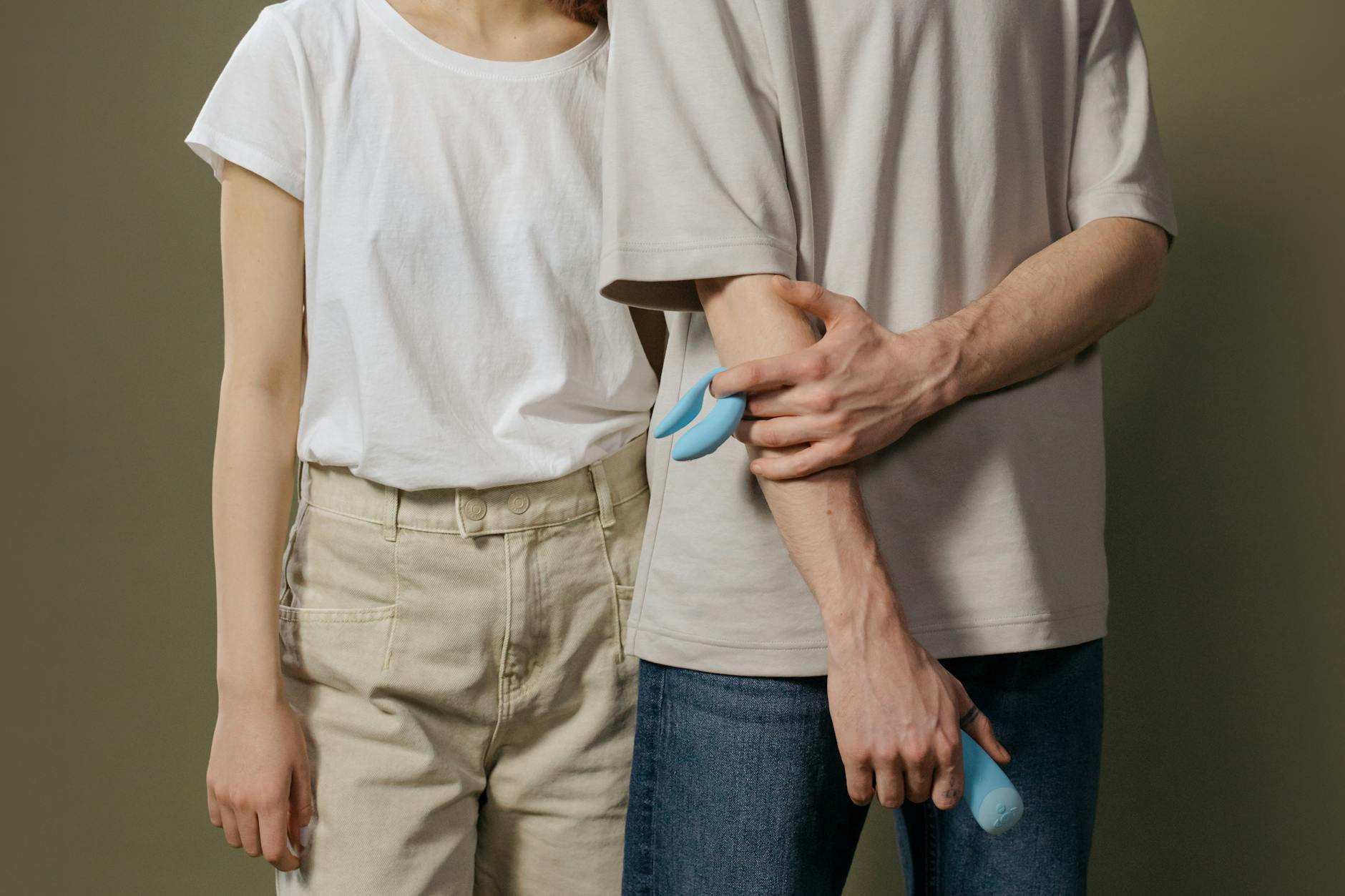
Let's cut the anxiety right now
You've been thinking about it. Maybe you saw a lemon clitoral vibrator online. Maybe a friend mentioned it. Maybe you just know something's missing. And now you're stuck in that loop where you want it but have no idea how to bring it up without your partner feeling rejected or inadequate.
Here's what I tell people in my practice: that fear is almost always bigger than the reality. Your partner likely wants this conversation to happen. They probably just don't know how to start it either.
Why this conversation matters (and why you're anxious)
Introducing a lemon vibrator to partnered sex is not actually about the toy. It's about a deeper message you're sending about your pleasure, your desires, and your willingness to ask for what you need. That's why it feels high-stakes. And that's also why getting it right can shift your entire intimate life.
The anxiety shows up because we've absorbed a weird cultural script: if your partner doesn't know exactly how to pleasure you without tools, they've somehow failed. Add in the fact that most of us were never taught how to talk about sexual preferences at all, and you've got a recipe for avoidance.
But here's the plot twist. People with partners almost universally report that being asked for pleasure feedback—especially with openness and specificity—makes them feel wanted. Not inadequate. Wanted.
The setup conversation (not the toy talk yet)
Don't lead with the vibrator. Lead with the feeling.
Pick a non-sexual moment. Bed is the worst place for this. The car, a walk, the kitchen with coffee. Somewhere neutral. Start small and honest: "I've been thinking about us, and I want to explore something together. I'm nervous to bring it up, which is stupid, but here we are."
That opener does three things at once. It signals vulnerability (which makes your partner more receptive). It normalizes nervousness (so they're not scrambling to figure out what's wrong). And it frames this as collaborative ("together"), not critical.
Wait for a response. Let them ask questions. Don't dump the whole lemon vibrator manifesto in one breath.
Naming what you actually want
Next sentence: "I want to feel more of X when we have sex." X might be intensity, clitoral stimulation, sensation variety, or just the feeling of being more present and into it. Name the feeling, not the toy.
Examples: "I want to explore what stronger orgasms feel like." Or: "I've realized I need more direct clitoral stimulation than your fingers or a penis can give me, and that's not a reflection on you. That's just my body."
This matters because your partner might immediately think you're saying their body is insufficient. You're not. You're saying your nervous system needs a specific input. That's biology, not betrayal.
Most partners will ask: "What do you want to try?" That's your opening.
The toy introduction (when it comes up)
Keep it factual and low-pressure. "I've been reading about clitoral vibrators, specifically ones that use suction. They're designed to create a particular kind of sensation, and I want to try one."
Then, crucially: "I'd love for us to use it together. I'm not replacing you. I'm adding something."
If they ask what it does or looks like, have a photo ready (not a full Amazon page, just a simple image). Lemon clitoral vibrators are small, elegant, and obvious in what they're for. No mystery. Less weird.
Some partners will have immediate concerns: cost, hygiene, or "Will you want this every time?" Address each one cleanly. It's less than $100. Wash it before and after. No, your sex life won't revolve around it. It's a tool, like anything else.
What to say if they hesitate
Honestly though, some partners will pause. That's normal. They might feel insecure, or worried it means something about the relationship. Here's how to navigate that without making them feel bad:
"I get that this feels weird right now. I'm not asking for an answer today. I'm asking you to sit with it. Think about it. Let me know what concerns you have, and we'll figure it out together."
Then drop it. Don't push. Come back to it in a few days. Often, after a partner's had time to think about it, their anxiety settles and curiosity takes over.
If they're genuinely resistant (not just nervous, but truly opposed), that's a deeper conversation about sexual autonomy and compromise. It's worth having with someone you trust or a couples therapist. But that's rarer than you think.
When you move to the actual experience
Maybe your partner wants to use it on you. Maybe they want to incorporate it with their fingers or their body. Maybe you want to use it solo while they watch. All of these are valid. Let the first time be about exploration, not performance.
Start slow. Show them how it works. There's zero shame in reading the instructions together and feeling silly about it. Humor helps. It breaks the intensity.
If you've never used a lemon vibrator before, practice solo first. Know what settings feel good, where the best angles are, what pace works. Then when you're together, you're not discovering the toy for the first time. You're just showing your partner something you already know how to use.
The deeper benefit
Once you've had this conversation and moved through it, you've unlocked something bigger. You've shown your partner that you can ask for what you need. You've demonstrated that your pleasure is worth discussing. And you've probably relieved them of years of pressure to be a mind-reader.
Couples who can communicate about pleasure openly tend to communicate better about everything else too. Money. Boundaries. Time. Kids. All of it.
A lemon clitoral vibrator isn't just a toy. In a relationship that needed permission to talk about desire, it's often a doorway.
FAQ
How do I know if my partner will be okay with this?
You don't until you ask. And that's actually fine. The quality of your relationship isn't determined by whether they're immediately thrilled about vibrators. It's determined by whether they're willing to listen, take your pleasure seriously, and work through discomfort together.
Should I ask permission first, or is it okay to just buy one and bring it home?
Ask first. Always ask first. Bringing it home unannounced can feel like a betrayal, even if your intentions are good. The conversation is half the point. It signals that your pleasure matters enough to discuss, not hide.
What if they think I'm saying they're not good at sex?
They might initially. That's where clear language helps. "I'm not comparing you. My clitoris just responds differently to suction than it does to other kinds of stimulation." Then give them space to process. Most partners come around once they realize you're not asking them to be replaced.
Can I use a lemon vibrator solo if we're in a relationship?
Yes. Solo pleasure and partnered pleasure serve different purposes. Using a clitoral vibrator alone doesn't threaten partnered sex. Most healthy couples understand this. If yours doesn't, that's worth exploring with a therapist.
How soon after the conversation should we actually try it?
There's no timeline. Some couples use it the next day. Some wait weeks. Some sit with the idea for a month before trying it. The pressure should be zero. It happens when you're both genuinely interested, not when someone's doing it to appease the other.
Will a lemon vibrator change what partnered sex feels like?
Probably yes, in good ways. It might make orgasms more intense. It might reduce the pressure on your partner to be your sole source of stimulation. It might create a new rhythm or routine that feels exciting to both of you. Change isn't loss. It's evolution.