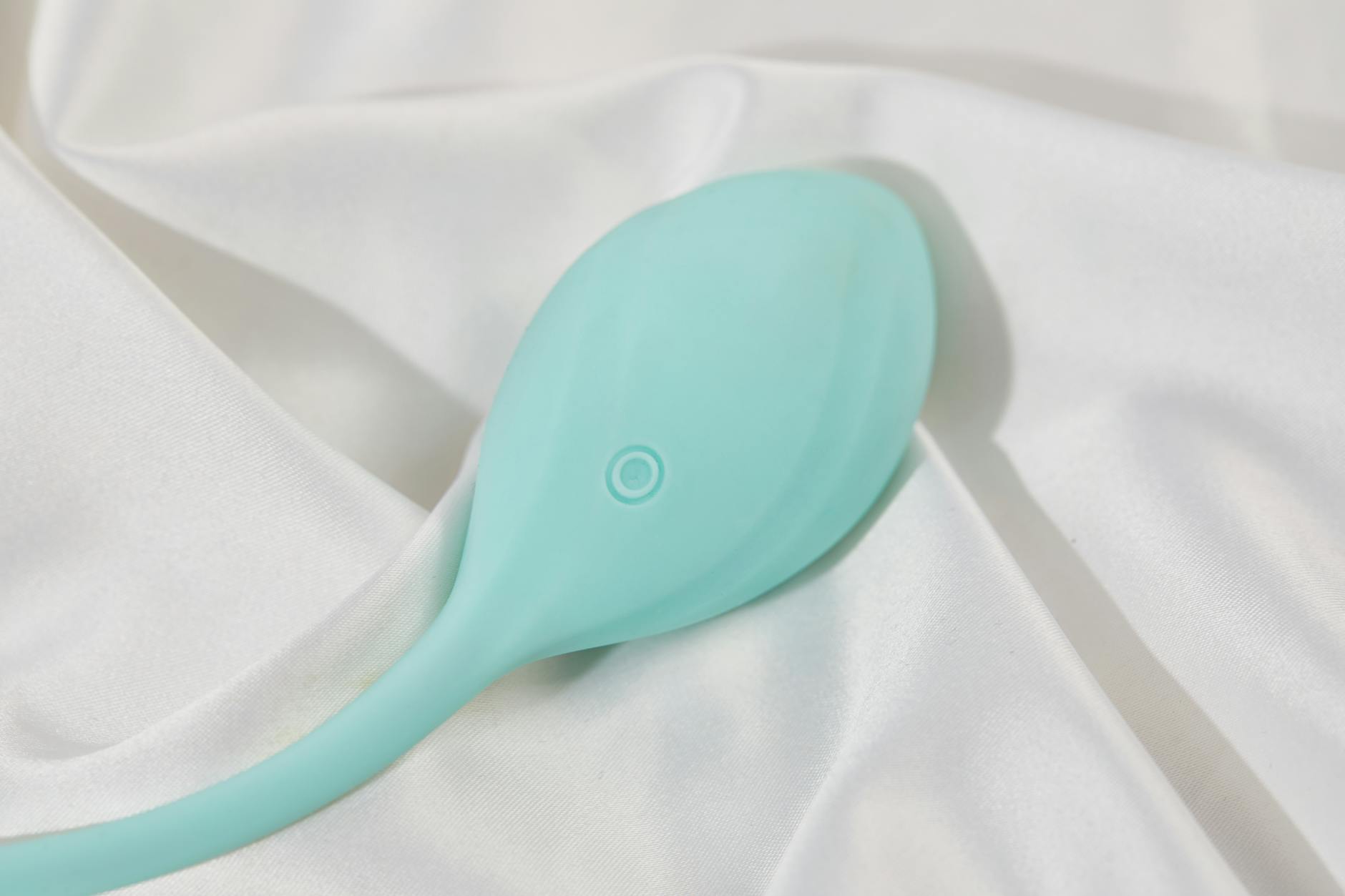
Let's talk about the thing nobody wants to admit
You got a lemon vibrator, used it solo, and now partnered sex feels different. Maybe less intense. Maybe you're worried your partner will think you need it to get off. Maybe you're wondering if you've somehow broken something. You haven't. But here's the friction point nobody explains clearly: your body learned what it actually wants, and now you have to decide what that means for partnered sex.
I work with couples navigating this shift constantly. The fear is usually the same. "If I come faster alone with the lemon, does that mean my partner isn't enough?" The honest answer is: that's not a lemon vibrator problem. That's an intimacy conversation that was overdue anyway. Let me walk you through how to handle both.
The solo sensation creates a new baseline
Lemon vibrators use suction and pulsation, not traditional vibration. That means your clitoris is receiving stimulation your partner's hands, mouth, or a basic vibrator might not replicate. Your nerve endings now know what focused, targeted pleasure feels like at a specific intensity. That's not degrading partnered sex. That's your body giving you data.
Here's what happens neurologically: when you use a clitoral suction vibrator solo, you're training your nervous system to recognize a particular pattern of stimulation as "I'm close." Your arousal pathway gets familiar with that specific sensation and rhythm. When partnered sex happens differently, your body notices the difference. It doesn't mean your partner fails. It means your body is doing exactly what it should do: comparing input and registering contrast.
The fix isn't to abandon the lemon vibrator solo. It's to build a bridge between solo pleasure and partnered pleasure that works for both of you.
Why telling your partner matters more than you think
Most people avoid this conversation entirely. They use the lemon vibrator alone, stay quiet about it, and then feel resentful when partnered sex doesn't match the intensity they've experienced solo. That resentment leaks into everything: they become less present, less communicative, less interested in partnered intimacy. The vibrator gets blamed for "ruining" their sex life.
What actually happened is they withheld information their partner needed to understand what was shifting.
If you haven't told your partner you're using a lemon vibrator solo, you're sitting on feedback about your own pleasure that could actually improve partnered sex. I'm not saying you have to use it together (though some couples do). I'm saying the secrecy usually costs more than the honesty.
Starting the conversation doesn't have to be heavy. Something like: "I've been exploring solo with a vibrator and discovering what intensity I actually like. I wanted to tell you because it matters to me, and I don't want you to feel like something's missing in our sex life if things shift a bit." That's directness without blame. It opens the door for curiosity instead of defensiveness.
The pattern that actually works: parallel intensity, not replacement
Here's the strategic part. Using a lemon vibrator solo and using it with a partner don't have to be either/or. They can be parallel tracks that actually strengthen each other.
Solo use teaches your body what speed, pressure, and rhythm create the fastest path to orgasm. Write that down or just remember it. That knowledge becomes useful in partnered sex because you can now guide your partner toward it. "A bit faster here," "lighter pressure there," "this rhythm." Most partners actually want this information. They're usually trying to guess.
When you bring that knowledge into partnered sex without the vibrator, you're giving your partner the map your clitoris has already drawn. That's not settling. That's collaboration. And here's the kicker: when a partner successfully replicates or approximates the sensation you've discovered alone, the pleasure often feels different and sometimes deeper because it includes connection.
Some couples introduce the lemon vibrator into partnered sex deliberately. Partner holds it, you guide them, it becomes part of your shared toolbox. Others keep solo and partnered pleasure completely separate. Both work. The key is intentionality instead of secrecy.
The guilt piece (and why you should drop it immediately)
If you're using a clitoral vibrator solo and feeling guilty about it, let me be direct: that guilt is doing nothing useful. It's not protecting your relationship. It's not making partnered sex better. It's just stealing enjoyment from something that's yours.
Your body deserves to know what pleasure feels like. You deserve to explore your own capacity for sensation. Using a lemon sucker alone doesn't diminish your partner or your connection. If anything, someone who knows their own pleasure is more likely to be present during partnered sex because they're not anxious about whether they can come, what's wrong with them, or whether they're broken.
The guilt often shows up as: "If I enjoy this vibrator so much, my partner will feel replaced." That's letting your partner's insecurity (which may or may not exist) override your own pleasure. Don't do that. If your partner has expressed insecurity about vibrators, that's a separate conversation worth having. But if it's just your assumption, you're making a sacrifice nobody asked for.
Structuring your week so both work
This is tactical but it matters: when you have both solo and partnered opportunities, how you schedule them affects how each one feels.
Many people find it easier to stay connected in partnered sex if solo lemon vibrator sessions happen at a different time of day or at least a few days apart. This isn't a rule. It's a rhythm. Your nervous system doesn't learn to crave the vibrator if it's not fresh in your muscle memory right before sex with your partner.
Some couples establish a pattern like: weekends are partnered sex, solo time is mid-week. Others keep it completely separate (solo mornings, partnered evenings). The point is intentional sequencing instead of random availability. When you know when each experience is coming, your body doesn't fight for comparison.
What to do if partnered sex is still less intense
Let's say you've had the conversation, you've built intention into scheduling, and partnered sex still doesn't match what the lemon vibrator delivers. That's normal. Here's what happens next.
First, check whether it's actually less intense or just different. A lemon clitoral vibrator creates a very specific sensation. Your partner's touch creates a different one. Different isn't worse. It's just not identical. Most people who sit with this for a few weeks realize they actually prefer one context over another based on what they want emotionally that day.
If it genuinely is less intense and you want to increase intensity in partnered sex, there are options: longer foreplay, different positions, more direct clitoral stimulation from your partner's hand or mouth, or yes, bringing the vibrator into partnered play. All of those are legitimate. None of them are failures.
The mistake is assuming partnered sex has to match solo intensity to be good. Intensity and intimacy are different dimensions. Solo play tends to be high intensity, high efficiency. Partnered sex often trades some of that efficiency for connection. Both have value. Your job is knowing which one you're seeking at any given moment.
People also ask
Is it normal to finish faster with a lemon vibrator than with a partner?
Completely normal. Lemon vibrators deliver targeted, consistent stimulation your partner's body can't replicate exactly. Your nervous system is wired to respond to efficiency. A clitoral suction vibrator is efficient. That doesn't mean partnered sex is failing. It means they're different tools for different contexts.
Should I use a lemon vibrator during partnered sex if I can't orgasm without it?
If you genuinely cannot orgasm without it, a gynecologist should be involved because that sometimes signals a deeper issue. But if you simply prefer it or come faster with it, there's no "should." Some couples incorporate it. Some don't. The question isn't whether you should. It's what you both want the experience to include.
Will using a lemon vibrator solo affect my ability to have an orgasm with my partner?
It can temporarily. This is called desensitization and it's usually reversible. If you notice it happening, scaling back solo use for a couple of weeks often helps. But more importantly, having this conversation with your partner prevents the anxiety that usually compounds the issue.
How do I bring up lemon vibrator use to a partner who might feel threatened?
Lead with curiosity about their experience, not defensiveness about yours. "I've been exploring what kinds of stimulation feel best for me solo, and I wanted to share that with you instead of keeping it secret. How would you feel about that?" Listen for the actual concern underneath any defensiveness. Usually it's not "vibrators are bad." It's "does this mean I'm not enough?" Address that directly.
Can solo lemon vibrator use improve partnered sex?
Yes, but only if you bring what you learned into the conversation. Using a clitoral vibrator teaches your body what it actually wants. That information, shared with a partner, usually makes partnered sex better because you're both working with actual data instead of guessing. The vibrator itself doesn't improve partnered sex. The clarity does.
What if my partner wants to use a lemon vibrator on me but I feel awkward?
Awkwardness is just unfamiliarity. Talk through what feels weird about it before you're in the moment. Is it vulnerability? Performance pressure? Fear of intensity? Once you name it, you can usually solve it. Many couples find that a partner using a clitoral vibrator on them creates a different flavor of intimacy because it combines pleasure with attention and care.
The real framework
Here's what I tell couples: pleasure isn't a pie that gets divided smaller when you add tools. It's more like learning multiple languages. Solo lemon vibrator play is one dialect of your sexuality. Partnered sex is another. They don't compete. They inform each other if you let them.
The couples I work with who navigate this well share one thing in common: they chose honesty early and often. They didn't let shame or assumption drive their choices. They didn't expect their bodies to match their partner's timeline or compare themselves to a fantasy version of what sex should look like.
You're allowed to love a lemon vibrator solo and love partnered sex for different reasons. You're allowed to use both. You're allowed to prefer one. You're allowed to change your mind. The only choice that breaks things is choosing silence over conversation.
If you want support navigating this transition with your partner, talking through what each of you actually wants from partnered intimacy is worth the time. That conversation often reveals that your needs and your partner's needs are actually aligned. You just never asked.
Your pleasure matters. Your partner's feelings matter. Building a bridge between solo exploration and partnered connection is how you honor both.