The part nobody warns you about
You quit hormonal birth control expecting your body to snap back to normal in a week or two. Wrong. What actually happens is slower, weirder, and honestly more interesting than anyone mentions.
Hormonal contraceptives don't just prevent pregnancy. They suppress testosterone, lower blood flow to the genitals, blunt dopamine response to pleasure cues, and reduce vaginal lubrication. For some people, that's a relief. For others, it means years of muted sexual response without knowing why. Then you stop taking it, and your body has to relearn an entire sensory language.
Here's what I see most often in my practice: women expecting fireworks and instead getting confused signals, delayed arousal, and a weird sense of disconnection from sensation they thought they'd just get back immediately. The timeline varies wildly. Some people feel different within two weeks. Others take three months. A few take longer.
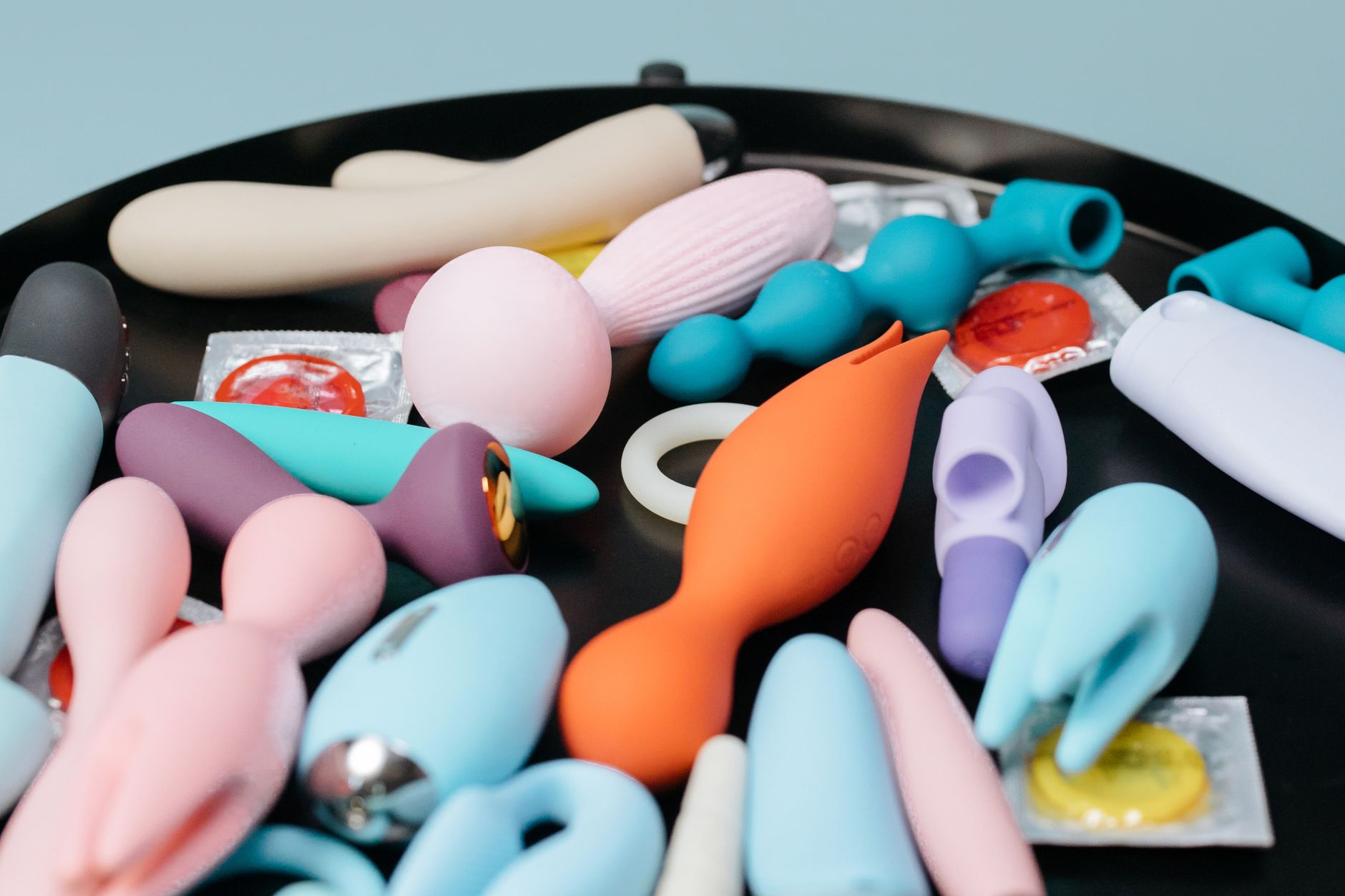
The good news? Lemon sexual toys, especially air-suction devices like the lemon clitoral vibrator, seem to accelerate that process. Not because they're magic, but because of how they interact with a body that's rebuilding its pleasure circuitry.
What hormonal birth control actually does to pleasure
Let's be specific about the mechanism. Birth control pills, patches, and hormonal IUDs work by suppressing the hormonal surge that triggers ovulation. But they also suppress testosterone production. Testosterone isn't just for guys. People with ovaries produce it too, and it's a major driver of sexual desire and genital sensitivity.
When testosterone drops, a few things happen at once. Clitoral blood flow decreases. Vaginal lubrication becomes thinner and less abundant. The neurological response to touch becomes duller. Dopamine, the motivation hormone, drops. So not only is the physical sensation muted. The emotional pull toward sex weakens too.
Then there's the psychological layer. Decades of sexual advice treated birth control as invisible. You take it and forget about it. In reality, your body is operating under a completely different hormonal baseline the entire time. Many people describe coming off the pill as waking up after a years-long sleep.
One client told me: "I'd forgotten what wanting sex felt like. I thought I was just not a sexual person anymore. Turns out I was just on medication that made sexuality feel optional."
The rebound phase (what to expect)
Within days of stopping hormonal birth control, your FSH and LH hormones start climbing. Testosterone bounces back, though not always smoothly. This is when people often experience mood swings, energy spikes, and sometimes sudden, almost aggressive sexual desire. That part is real and normal.
But sensation itself takes longer to return. Your clitoris needs sustained blood flow over time to rebuild sensitivity. Your vaginal tissue needs to thicken and lubricate properly again. This is a weeks-long process, not days.
What you might notice in week one to three: increased desire but delayed arousal. You feel like you want sex, but your body doesn't catch up as fast as it used to. This disconnect can feel frustrating or even broken. It isn't. It's just your nervous system remembering how to prioritize pleasure after years of suppression.
In weeks three to eight, most people report that arousal starts rebuilding. Sensation becomes sharper. Lubrication improves. The lag between mental desire and physical response narrows.
By three months, the majority of people feel like they've got their baseline back. But the entire trajectory is highly individual. Stress, relationship satisfaction, sleep, and diet all affect how fast your body restores pleasure sensitivity.
Why lemon suction toys work better during this transition
Here's the thing about standard vibrators: they rely on the clitoris already having strong sensation and responsive nerve endings. If you're in the rebound phase with thin tissue and reduced blood flow, intense vibration can feel overwhelming or, paradoxically, too subtle to register.
Lemon clitoral vibrators work differently. Air-suction technology mimics the gentle pulling sensation that naturally increases blood flow and nerve activation. Instead of hammering at tissue that's still waking up, suction gradually coaxes blood into the area, warming and sensitizing it over time. It's gentler but often more effective at triggering response in bodies that are still rebuilding.
I recommend starting at the lowest setting, usually setting one or two on devices like the Lem. Spend fifteen to twenty minutes with it, maybe three to four times a week. The goal isn't rushing to orgasm. It's teaching your nervous system that pleasure is safe and worth prioritizing again. Many clients report that consistent, gentle suction use accelerates the timeline from three months to five to six weeks.
The other advantage: suction doesn't require direct contact with the clitoris itself. If you're experiencing soreness or overstimulation (common in the rebound phase), the gentle seal allows you to explore sensation without triggering pain or overload.
The pelvic floor complication
Here's a layer most people miss: hormonal birth control can change how your pelvic floor functions. Estrogen influences muscle tone and relaxation capacity. When estrogen levels drop suddenly, many people's pelvic floor muscles tighten up reflexively, especially if there's been stress or anxiety around the transition.
A tight pelvic floor blocks pleasure. It reduces blood flow, makes arousal harder, and can create a feedback loop where anxiety about not feeling aroused makes the muscles tighten further. This isn't laziness or broken wiring. It's a biomechanical response to hormonal and psychological change.
Lemon suction devices can actually help here. The gentle pulling sensation often triggers pelvic floor relaxation naturally. As the muscles relax, blood flow increases, which allows sensation to return faster. Combine suction use with pelvic floor breathing (inhale, relax; exhale, gently contract) and you're addressing both the neurological rebuild and the muscular tension at once.
Timing your restart with partner sex
If you're partnered, the rebound phase creates a communication challenge. Your partner might expect things to go back to normal immediately. Your body has other plans. This is exactly when a conversation about the timeline matters.
Better approach: separate the conversation into two parts. First, explain the actual physiology. Hormonal birth control suppressed your pleasure response for years. Coming off it triggers a rebound, but sensation rebuilds on its own timeline, usually four to twelve weeks. Your partner isn't being rejected. Your body is rebooting.
Second, suggest a temporary shift in how you approach sex together. More foreplay before penetration. Longer warm-up time. Less pressure to orgasm on a schedule. Use lemon clitoral vibrators solo or together to rebuild sensitivity without the performance pressure of partnered sex.
Many couples find that this period, if handled with honesty, actually deepens intimacy. You're rebuilding pleasure together instead of expecting it to just reappear. And often, when sensation comes back, it comes back differently than it did before the pill. Sometimes that's richer. Sometimes it's just different. Either way, knowing you rebuilt it together matters.
The emotional reset
Don't skip this part. Years on hormonal birth control often coincide with other life chapters. Relationships, career, identity shifts. When you come off the pill, you're not just dealing with hormonal rebound. You're also reckoning with who you are as a sexual person now, possibly different from who you were before.
I've had clients come off the pill and realize they want very different things sexually than they thought they did. Others discover that their low desire wasn't inherent. It was chemical. The relief is real. So is the identity crisis when the pill is gone and you're suddenly aware of your own pleasure again.
Take time to explore solo. Use lemon sexual toys without the goal of orgasm. Pay attention to what feels good versus what you think should feel good. Journaling helps. So does patience with yourself. Your pleasure is rebuilding. That's worth the time it takes.
When to check in with a doctor
Most rebound timelines are straightforward. But if you're hitting month four or five and sensation still hasn't returned, or if you're experiencing pain, it's worth a conversation with a gynecologist who understands post-hormonal-contraception experiences. Sometimes there are underlying factors. Thyroid issues, iron deficiency, or pelvic floor dysfunction can all slow the return to baseline. A specialist can rule those out and suggest targeted support.
If you're experiencing depression, anxiety, or mood swings that don't seem to be settling after two months, talk to someone about that too. Hormonal transition is real and valid. Professional support helps.
FAQ
How long after stopping birth control does sexual desire return?
Most people notice increased desire within two to four weeks. But the physical sensation and arousal capacity often take longer, usually four to twelve weeks total. Stress, sleep, relationship quality, and overall health all affect the timeline. If you're not noticing changes by week eight, check in with a doctor.
Can I use a lemon vibrator right after quitting the pill?
Yes, but start low and go slow. Your clitoris is still sensitizing, so using the lowest settings on devices like the Lem is smarter than going full intensity. Some people feel more sensation immediately with suction toys because the mechanism is gentler than traditional vibration.
Will my orgasms feel different after hormonal birth control?
Often, yes. They might be stronger, weaker, faster, slower, or require different stimulation than before. This is normal. Your body is relearning its own pleasure map. Use this as an opportunity to explore what actually works for you now, not what worked five years ago.
Is it normal to feel numb or disconnected during the rebound phase?
Completely normal. You're in a biological transition. Your hormones are shifting, your clitoris is reoxygenating, and your nervous system is recalibrating. This disconnection usually fades by week six to eight. If it persists past that, talk to a therapist or doctor.
Should I tell my partner about the rebound timeline?
Yes. Avoiding the conversation often creates resentment or pressure. Being clear that you're rebuilding pleasure capacity, not rejecting them, makes space for genuine intimacy during the transition. Many couples report that this period actually deepens connection if they handle it with honesty.
Can birth control permanently damage sexual response?
No. Hormonal contraceptives suppress but don't destroy pleasure capacity. Once you come off them, your body's natural systems restart. The timeline varies, but the capacity returns. Some people feel like they get it back better than before.
Coming off hormonal birth control is one of those transitions nobody really talks about until you're living it. Your body isn't broken. It's just had a long chemical pause and now it's waking up. That process takes time, patience, and honestly, a little grace with yourself. Using lemon clitoral vibrators during the rebound phase can help, but so can slowing down, exploring your own pleasure without pressure, and trusting that your body knows how to feel good again. Because it does.