Let's get real about what changes
Your clitoris didn't stop working. But somewhere in your 40s, 50s, or beyond, arousal probably started to feel different. What used to happen in five minutes now takes fifteen. That warm, immediate rush might feel more like a slow burn. And honestly? Most conversations about aging and sex treat this like a loss. But it's actually information your body is giving you.
Here's what's happening physiologically, and why it matters for how you use lemon vibrators or any clitoral stimulation.
Why clitoral response time shifts
Several things happen simultaneously. Blood flow to the clitoris becomes slightly slower to activate as estrogen levels shift. The tissue becomes more delicate, which actually means it's more responsive to certain types of stimulation, but requires a gentler initial approach. Nerve sensitivity doesn't decrease. Instead, it recalibrates. Your clitoris has the same number of nerve endings, but the signal-to-action pathway takes a bit longer to ignite.
This is not damage. This is aging. And here's the part nobody tells you: the orgasms that come after that longer buildup are often more profound, more full-bodied, and longer-lasting than they were in your 20s.
The arousal phase that actually works
Instead of fighting the slower response time, structure around it. Foreplay stops being optional and becomes the main event.
Start with touch that has nothing to do with your genitals. Your forearms, your inner thighs, your neck, your collarbone. Spend ten minutes here. This activates your parasympathetic nervous system and preps your body for deeper stimulation. Then move to broader clitoral contact. Use your hands, a partner's hands, or the edge of a lemon sucker vibrator on the lowest setting. Let your nervous system wake up.
Only after that ten to fifteen minute warm-up does your clitoris become truly responsive to direct stimulation. A lemon vibrator at full intensity on cold tissue isn't going to work well. A lemon vibrator on a lower pattern after proper warm-up? That's when it sings.
How lemon clitoral vibrators actually help here
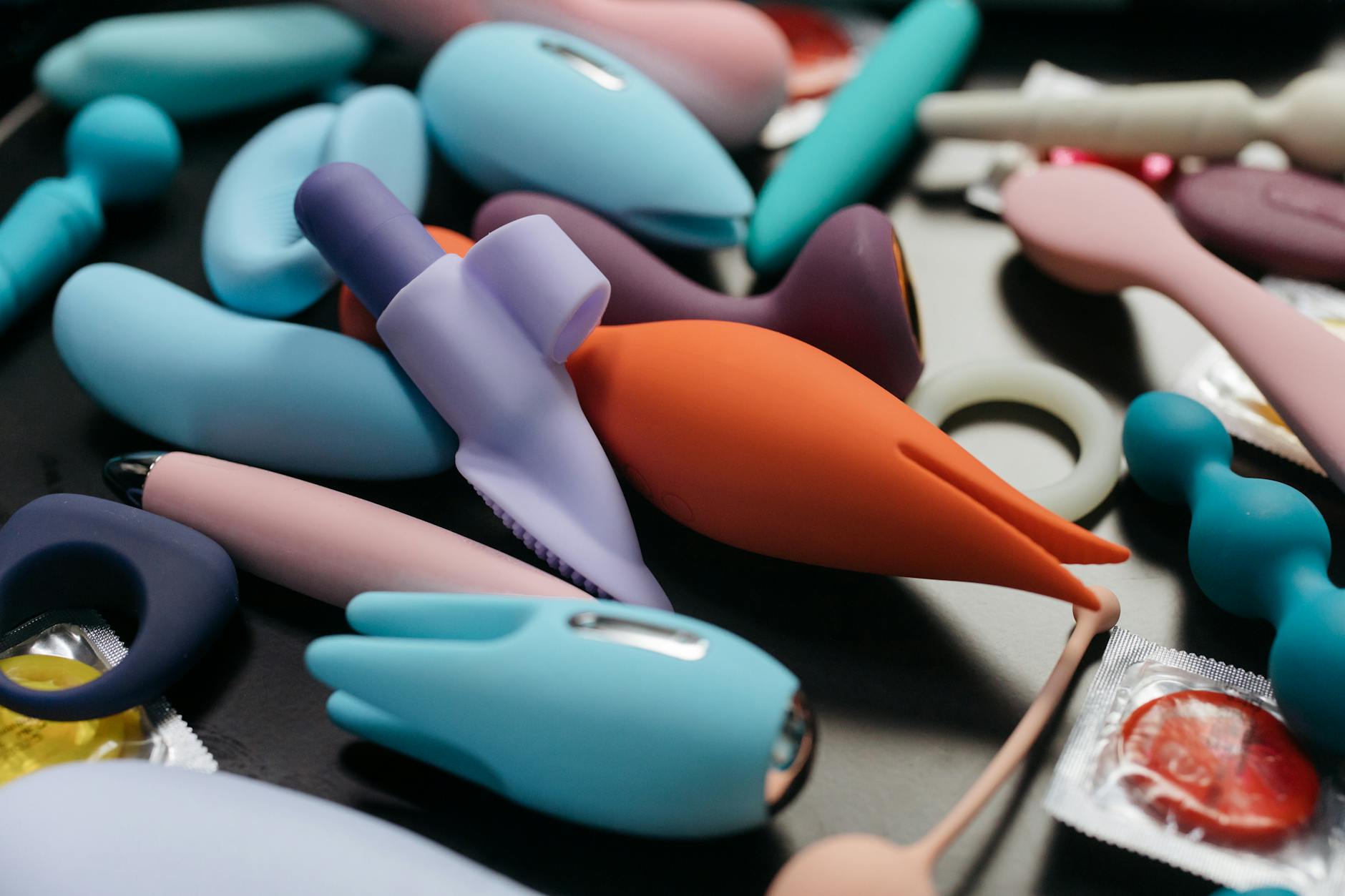
The suction-based technology in lemon vibrators (and similar clitoral vibrators like the Lem) changes the game for slower-to-respond tissue. Instead of requiring friction against increasingly sensitive tissue, suction gently draws blood into the area while stimulating the thousands of nerve endings in and around the clitoris. This pattern mirrors what naturally happens during arousal, just amplified.
For people experiencing longer response times, the gentleness of suction is a feature, not a downside. You're not fighting against tissue sensitivity. You're working with your body's recalibrated system.
The patterns that matter most
Most lemon sexual toys come with multiple intensity levels and pulse patterns. Here's what works for age-related response time shifts:
Start on pattern one or two. This is not about torture or deprivation. Your nervous system needs clear, consistent stimulation to build arousal. A chaotic pattern with random pulses forces your brain to reset with every shift. A steady, predictable pattern lets arousal compound. After five to ten minutes at this intensity, your body will tell you if you want more. Then move up to pattern three or four.
Many people find that patterns with a steady rhythm (heartbeat, pulse) work better than patterns that jump around. Your clitoris responds better to rhythm than surprise, especially when arousal is building more slowly.
Temperature and lubrication matter more now
Warm up your vibrator before use. Run it under warm (not hot) water, or just let it sit near you for a minute before starting. Cold silicone against tissue that's already warming slowly is an unnecessary friction point. Lemon adult toys are usually silicone, so they warm quickly.
Use plenty of water-based lubricant. Not because anything is wrong with you. Because thinner tissue appreciates the glide, and lubrication actually conducts sensation better. Apply, wait thirty seconds, reapply as needed. This isn't about pain. It's about optimizing how sensation travels through your body.
Time and expectation shifts
This is the real change. You need to stop thinking of arousal as something that either happens or doesn't. Start thinking of it as a process that unfolds at a particular pace.
Budget differently. If sex used to be thirty minutes door to door, plan for forty-five to sixty. Not because you're broken, but because arousal is part of the experience now, not just something that happened as a warm-up. Some of the most satisfying orgasms come after twenty or thirty minutes of slow, predictable stimulation.
If you're with a partner, tell them the timeline. "I need about fifteen minutes to really wake up." That's not a request for patience. That's a fact about how your body works now. Your partner can use that time however works for them.
Age-specific pleasure shifts (the good ones)
Honestly? Longer response times often come with better things. Many people report that they're less distracted during sex after fifty. The self-consciousness about how they look or sound tends to quiet down. The pressure to perform a particular way often lifts. That mental space alone changes everything.
You might also notice that your pleasure is more localized than it used to be. Less of that full-body electric sensation, more of a deep, focused warmth. That's not a loss. That's information. Some people find that focused pleasure more intense than the diffuse rush of earlier years.
When to check in with a doctor
If arousal is taking dramatically longer and also causing pain or discomfort, that's worth mentioning to your doctor. Genitourinary syndrome of menopause (which affects people of all ages as hormone levels shift) is treatable. If your clitoris has become so sensitive that normal touch feels sharp rather than good, that's also worth exploring.
But slower response time? That's age. That's normal. That's not a medical problem unless it's causing you genuine distress. And based on what I hear from clients in their 50s, 60s, and beyond, most are less distressed and more delighted as they learn how to work with the shift.
How to introduce lemon vibrators into this timeline
If you're new to lemon clitoral vibrators, don't start when you're in a hurry or already frustrated about response time. Start when you have forty-five minutes, you're genuinely interested, and you're not comparing yourself to how sex used to be.
Warm up first. Then apply the vibrator on the lowest setting. Let it run for several minutes before turning it up. This sounds slow, but you're not racing. You're learning how your body responds to this particular type of stimulation at this stage of your life.
Many people find that after using a lemon sucker or similar clitoral vibrator consistently, their response time without the vibrator actually improves. Your nervous system becomes better at recognizing and escalating arousal signals. The tool trains your body.
The real conversation underneath
Slower response time often gets tangled up with other narratives. "I'm not interested anymore." "I'm too old for this." "My partner must be bored." None of those things are true just because arousal takes longer now.
What's true is that your body has recalibrated around hormonal shifts, life experience, attention, and the particular way your nervous system works at this stage of life. That's not a problem to solve. That's information to work with.
Lemon vibrators and other clitoral toys aren't fixing you. They're tools that work really well with the nervous system you actually have right now. Not the one you had at twenty-five. The one you have now. And there's a lot to love about that.
People also ask
How long should I expect arousal to take after 50?
There's no single timeline. Some people notice fifteen to twenty minute warm-ups become necessary. Others find the shift is more subtle. What matters is that you stop timing yourself against an arbitrary standard and instead learn your actual body. Fifteen minutes of genuine arousal is not "too long." It's just your body's pace. Budget for it, enjoy it, and you'll find the experience transforms.
Does a lemon vibrator actually help if I'm already having trouble with arousal?
It can, but only if you use it after the warm-up phase, not instead of it. If you try to jump straight to vibrator stimulation on unwarmed tissue, you're fighting your body's actual timeline. Use it as part of the full arousal sequence. Many people find that consistent stimulation from a lemon clitoral vibrator actually trains their nervous system to recognize and escalate arousal signals more easily.
Is it normal for the sensation to feel different than it did ten years ago?
Completely normal. Sensation often becomes more localized, less diffuse. Some people describe it as sharper, others as deeper. Both are normal. If it hurts or feels sharp in a bad way rather than just different, see your doctor. But different doesn't mean something is wrong.
Can slower arousal response mean my partner isn't attractive to me anymore?
No. Slower response time is a nervous system thing, not an attraction thing. Many people find their attraction actually deepens after forty or fifty, but the physical response just takes longer to manifest. These are completely separate systems. You can be wildly attracted to someone and still need twenty minutes to physically warm up. Tell your partner that.
Do I need to use a vibrator if I'm experiencing this?
Not at all. Some people prefer hands, or toys that aren't vibrators. What matters is that you understand your actual timeline and work with it, not against it. Lemon vibrators and clitoral vibrators are tools that many people find helpful during this transition, but plenty of people navigate it just fine without them.
How do I talk to my partner about needing more time to warm up?
Be specific and unapologetic. "I've noticed I need about fifteen to twenty minutes of warm-up time now, and that's what works for my body." Then follow through. Actually take that time. Let your partner know that this isn't about them or about something being wrong. It's about how your nervous system works at this stage of your life. Most partners are relieved to have clarity instead of guessing.
Next steps
If slower arousal response is starting to shift how you think about pleasure, it's worth exploring. That might mean a longer warm-up phase. It might mean bringing in new tools like lemon vibrators. It might mean rethinking how you and your partner approach intimacy. Whatever direction serves you, the key is understanding what's actually happening in your body, and working with that instead of against it.
If you want to talk through how to navigate these shifts with your partner, or if you're starting to feel discouraged about what's changing, we're here. Reach out and let's figure this out together.