
Let's name what you're noticing
Orgasms used to hit harder. Now they feel more like a gentle wave than a wave at all. Maybe they arrive but lack the intensity you remember. Maybe there's no build anymore. Maybe the release exists but feels muted, distant, like you're experiencing it through glass. That's what happens when sensation starts to fade. And honestly, it's one of the most frustrating shifts that doesn't get talked about enough.
Here's what matters: weaker orgasms don't mean your body is broken. They mean something has shifted. Could be neurological, could be hormonal, could be psychological. Could be all three at once. But the shift is fixable, and lemon vibrators specifically work well for rebuilding that intensity because of how they stimulate the clitoris differently than direct vibration.
Why orgasm intensity actually decreases
Orgasms feel less intense for one of five main reasons.
Habituation. Your nerves get used to the same stimulus. The same vibration pattern that created a full-body peak two years ago now feels like background noise. Your nervous system has adapted and needs a new signal to wake back up. This is especially common after long-term use of the same toy or the same partner rhythm.
Hormonal shifts. Estrogen and testosterone both influence nerve sensitivity, blood flow to genital tissue, and how effectively the pelvic floor contracts during orgasm. Drop in either, and the physical sensation flattens. This happens gradually through your thirties, forties, and fifties, and also quickly after stopping hormonal birth control or starting certain medications.
Pelvic floor tension or weakness. Your pelvic floor muscles create the rhythmic contractions that make an orgasm feel intense. If those muscles are chronically tight (from stress, never being released, or anatomy), they can't contract fully. If they're weak, they contract but can't generate much force. Either way, the sensation loses power.
Disconnection from your body. Depression, anxiety, relationship stress, or living in your head too much can disconnect you from sensation even when your nervous system is working fine. You reach climax but feel like you're watching it happen instead of being inside it. This is neurological dissociation, and it deadens intensity even when everything is physically intact.
Medication side effects. SSRIs, certain blood pressure drugs, antihistamines, and anti-anxiety meds blunt sensation and arousal as a direct side effect. Antidepressants are famous for this. The mechanism isn't that they're making your body less responsive. They're dampening your nervous system's ability to register strong signals.
Figuring out which one is happening matters because the fix changes.
How lemon clitoral vibrators rebuild intensity
Here's the thing about lemon vibrators and clitoral suction technology. They work differently than traditional vibrators. Instead of vibrating directly against tissue, they create gentle suction and pulsation that stimulates a wider area of the clitoris at once, including internal branches that direct vibration often misses.
When sensation has faded, this matters. You need to wake up nerve endings that have gone quiet. Suction reaches deeper tissue more effectively than buzzing. The sensation is also less relentless. You can actually feel the pattern of stimulation instead of everything blurring into white noise.
Many people find that their first strong orgasm in years comes on a lemon vibrator after years of weaker responses on traditional toys. The nervous system responds to novelty. It also responds to stimulation that feels qualitatively different.
The practical steps that rebuild intensity
Four concrete things I recommend when orgasms have lost their peak.
Start with the lowest intensity setting. Seriously. If you jump straight to maximum suction, you're teaching your nerves to tune it out immediately. Begin at the gentlest pattern and let your body wake up to it. You're retraining your nervous system, not hammering it. Three to five minutes at the lowest setting often produces more intense sensation than fifteen minutes at full power.
Extend your warm-up time to at least twenty minutes. When sensation is fading, you need more time for arousal to build fully. Your blood vessels need time to engorge tissue. Your nervous system needs time to transition from baseline to engaged. Rushing this phase means you never reach the threshold where intensity becomes possible.
Use the pattern-switching feature. Most Lemon Vibrator Official toys have multiple patterns. Don't stay on one. Switch every few minutes. Your nervous system is incredibly good at tuning out repetition. Novelty wakes it back up. The pattern changes force your nerves to keep paying attention.
Change your usual positioning. This is neurology, not magic. If you always climax the same way, your nervous system has optimized that pathway and dimmed others. Try side-lying instead of on your back. Try standing. Try with your legs together instead of apart. The unfamiliarity reengages your nervous system.
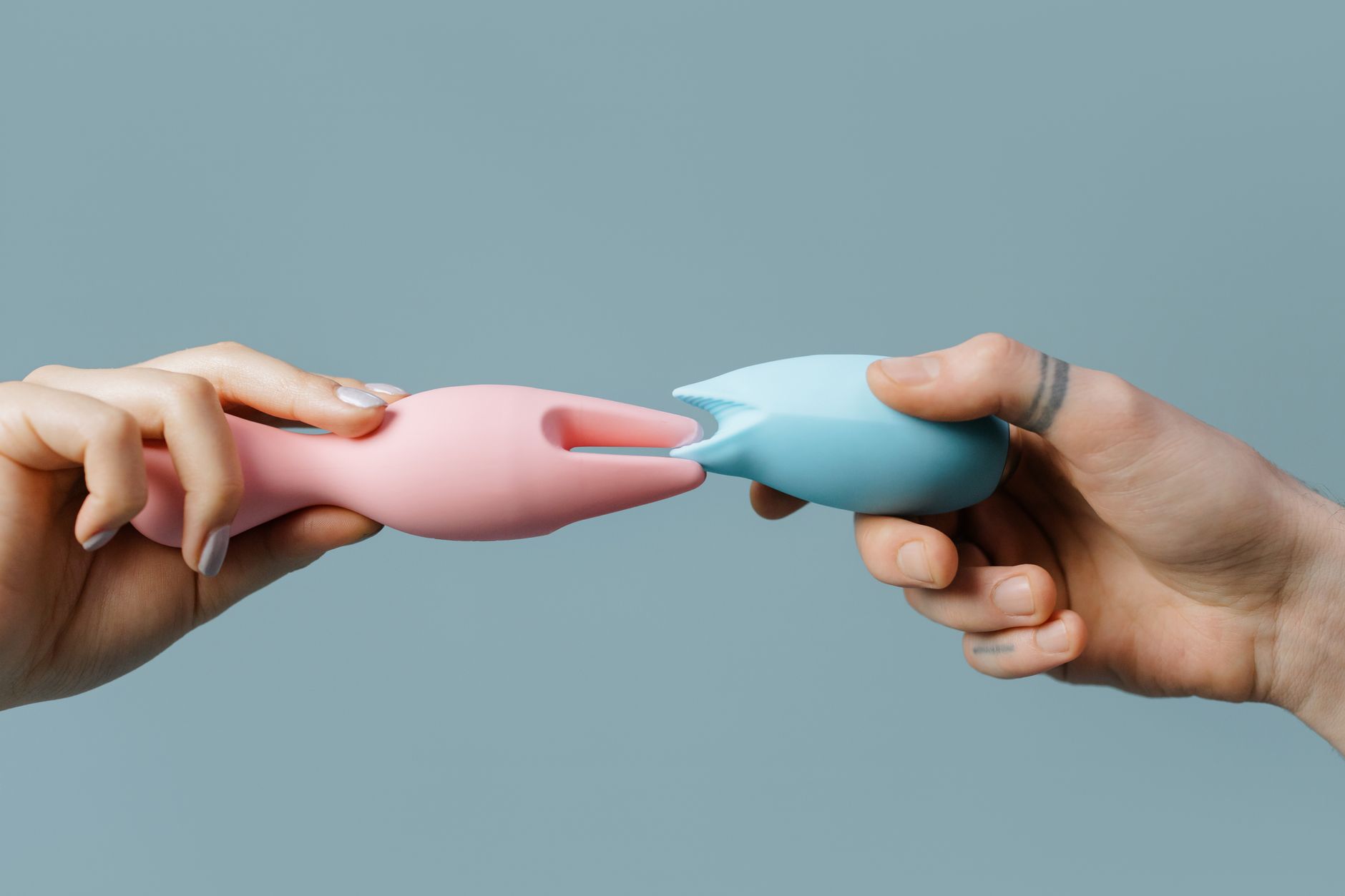
Photo by cottonbro studio on Pexels
The mental piece that amplifies physical sensation
Physical changes alone won't bring back full intensity if your mind is checked out. Disconnection is real. It's not laziness or prudishness. It's dissociation. Your body goes through the motions while your brain narrates from three feet away.
When this is the root cause, the fix is to anchor yourself into physical sensation deliberately. Before you reach for any toy, spend a few minutes on grounding. Feel your feet on the floor. Notice the texture of whatever you're wearing. Run your hands over your own skin and actually register the sensation.
Then when you start using your lemon vibrator, do it with intention. Don't run it on your phone. Don't think about your to-do list. Your nervous system can't feel intensity if you're not paying attention. The orgasm won't be weaker because your body is failing. It will be weaker because you're not fully present for it.
If you find yourself consistently disconnected, that's also worth exploring with a therapist. Sometimes weaker orgasms are pointing at stress or relationship distance that deserves actual attention.
When medication is the culprit
If you started an SSRI or blood pressure med and suddenly everything went flat, this one's tough because stopping the medication isn't always an option. Talk to your prescribing doctor first. Sometimes switching to a different medication in the same class works better for sexual side effects. Sertraline is generally gentler than paroxetine, for example.
If you need to stay on the medication, lemon vibrators often help more than standard vibrators because they're less dependent on raw nerve sensitivity. The suction mechanism can still create sensation even when your nervous system is chemically dampened. You might not reach the intensity you had before medication, but you can get closer than you'd expect.
The hormonal piece
If hormonal changes are the cause, topical estrogen creams can genuinely help rebuild nerve sensitivity in genital tissue within weeks. Not everyone needs systemic hormone therapy. Sometimes local application is enough. Worth asking your GP or gynecologist about, especially if orgasms feel weaker alongside other changes like vaginal dryness or reduced lubrication.
A good relationship or sex therapist can also help rebuild the mental arousal that creates physical intensity. Sometimes the body responds better once the mind reconnects.
When weaker means you need time, not toys
Not every solution is a product. Sometimes orgasms feel less intense because you genuinely need more time with yourself, your body, and your partner. Time without performance pressure. Time without comparison to how it used to be.
If you're in a relationship, this conversation matters: "I've noticed my orgasms feel different. I'm exploring what helps. Can we try some things together?" Often the person you're with can help rebuild intensity by changing rhythm, slowing down, or just being more present. That's not a toy fix. That's a connection fix.
Lemon vibrators work best when you're using them as part of a wider strategy, not as the entire strategy. The tool helps. But the intention, the time, the presence, and sometimes the conversation matter more.
Rebuilding intensity takes patience
You probably didn't lose sensation overnight. You won't get it back overnight either. Most people report that after two to three weeks of consistent use with a lemon vibrator at varied intensities and patterns, they start noticing stronger peaks again. After a month or two, many report the most intense sensations they've had in years.
The nervous system adapts quickly. It also learns quickly. Give it novelty, give it time, give it your full attention. That combination usually works.
If after two months nothing is shifting, that's when you bring in a professional. A sex therapist or doctor who specializes in sexual function can help you figure out what's actually happening and whether medication changes, hormone therapy, or deeper exploration is needed.
Your orgasms don't have to stay weak. And you don't have to figure this out alone.
Frequently asked questions
Can a weaker orgasm mean there's something medically wrong?
Not necessarily. The most common causes are medication side effects, hormonal changes, or habituation to the same stimulus. All of those are manageable. That said, if weaker orgasms arrived suddenly alongside other changes like pain, numbness, or loss of sensation elsewhere in your body, it's worth getting checked by a doctor to rule out neurological issues. Usually it's nothing serious. Better safe though.
Will a lemon vibrator fix this if the cause is depression?
A lemon vibrator can help rebuild the physical sensation, but it won't fix the underlying depression. Depression disconnects you from your body and deadens pleasure as a symptom. If you're treating depression with therapy or medication, the sexual sensation often improves alongside that treatment. Use the vibrator as one piece of the puzzle, but don't expect the toy alone to solve something that's neurochemical. Talk to your therapist about what you're experiencing.
How long does it usually take to feel stronger orgasms again?
Most people notice a shift within two to three weeks of using a lemon vibrator regularly with varied patterns and intensities. Some feel it within days if it's purely a habituation issue and you're introducing a genuinely different type of stimulation. If the cause is hormonal or medication-related, rebuilding takes longer, usually four to eight weeks. Be patient with yourself.
Does using lemon vibrators more often make the problem worse?
Not if you're varying intensity and patterns. The problem comes from repetition, not frequency. You can use a lemon vibrator every day as long as you're switching patterns, changing positions, and not always going to maximum intensity. Think of it like exercise. Doing the same workout every day flattens results. Varying the workout keeps you adapting.
If my partner thinks weaker orgasms mean I'm less attracted to them, how do I explain it?
Honestly. "My body is responding differently, not my feelings about you." Then actually talk about what's happening. Show them what you've learned. Maybe use the lemon vibrator together so they see it's a physical thing, not emotional rejection. Partners often think weaker orgasms are about them. Help them understand it's about your nervous system recalibrating. If they still take it personally after you explain, that's a different conversation worth having with a couples therapist.
Can I use a lemon vibrator if I'm on medication that dulls sensation?
Absolutely. In fact, people on SSRIs and similar drugs often find that lemon clitoral vibrators help more than traditional vibrators because the suction mechanism creates sensation through a different pathway. You might not fully regain the intensity you had before medication, but you'll likely feel more than you expect. It's worth trying.
Next steps
Start with one thing: lower your expectation of what orgasm "should" feel like and just pay attention to what actually happens. Use a lemon vibrator at the lowest setting. Spend time warming up. Switch patterns. Notice what your body needs.
If you're stuck after a month, or if other changes are happening alongside weaker orgasms, reach out to a healthcare provider or therapist. You don't have to white-knuckle your way back to intensity alone.
Your pleasure matters. And there's almost always something that helps.