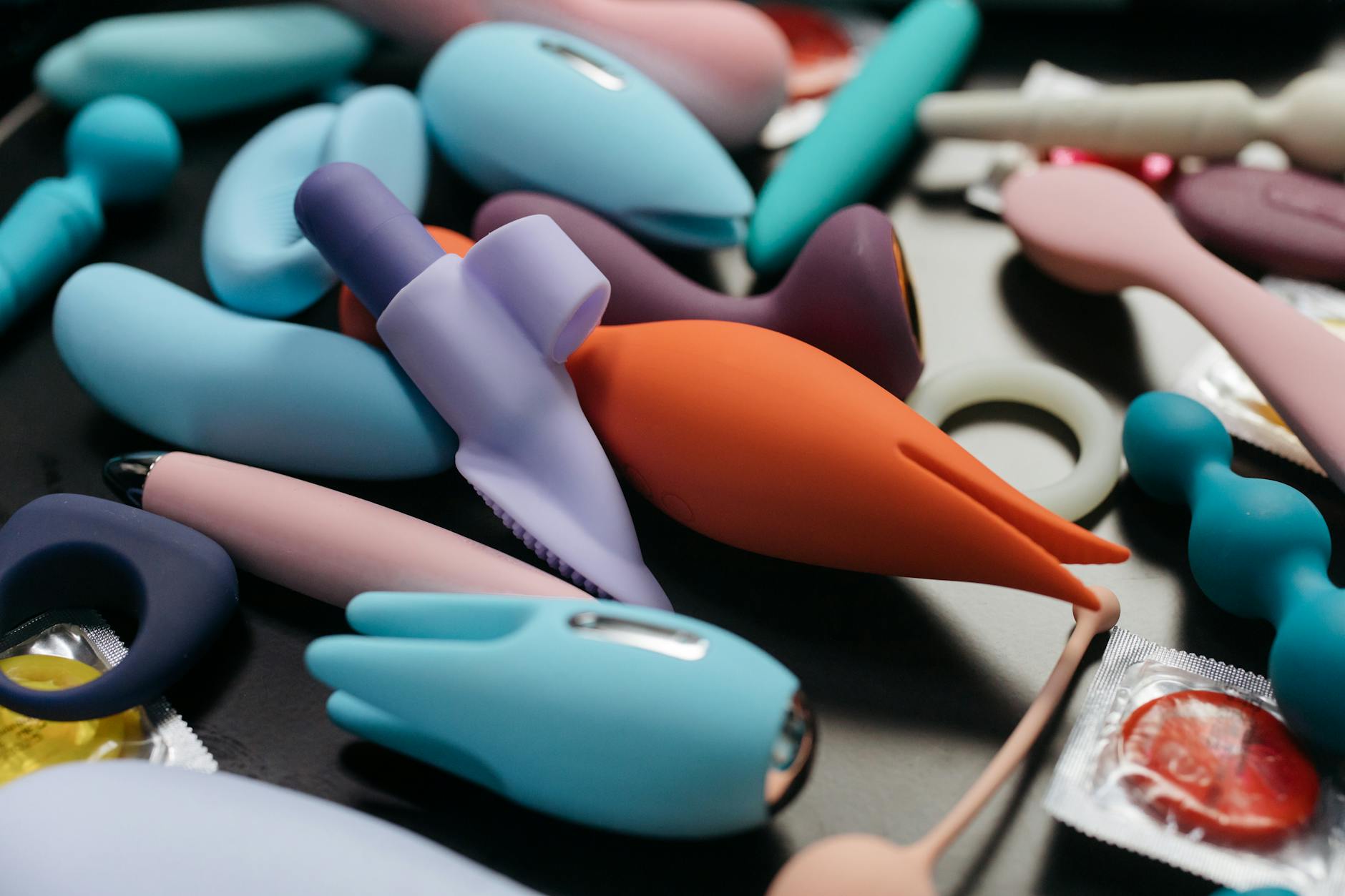
Post-surgical sensation is not a straight line
Let's be real: nobody talks about this part. Your doctor cleared you for "normal activity." But normal activity doesn't feel normal. Clitoral sensation after gynecological surgery often doesn't return as a simple on-off switch. It fragments. Some spots go quiet. Others become weirdly intense or sharp instead of pleasurable. You're not broken. Your nervous system is literally rewiring itself.
Most surgical interventions to the vulva, vagina, or lower abdomen involve some nerve disruption. Whether it's a hysterectomy, ovarian surgery, endometriosis excision, fibroid removal, or even a C-section, the nerves regenerate slowly. They don't always reconnect the way they did before. That's not failure. That's your body doing exactly what it's supposed to do, just at its own pace.
The good news: a lemon vibrator's suction-based design makes it uniquely suited to post-surgical sensitivity changes. Unlike vibrators that rely on direct friction, air-suction stimulation works with your nervous system's current state instead of against it.
Understanding post-surgical nerve recovery
Here's what happens at the tissue level. Gynecological surgery severs or compresses nerves in the surgical field. Those nerves then spend weeks to months regenerating. During regeneration, sensory signals can misfire. A touch that felt pleasurable before surgery might suddenly feel numb, painful, or oddly hyper-responsive. This is temporary, but it's also completely unpredictable on a day-to-day basis.
Some people report that sensation returns within 4-6 weeks. Others don't notice significant improvement until 3-6 months post-op. A few deal with persistent changes that require a longer adjustment period. There's no universal timeline because every body heals differently, and every surgical approach affects nerves in slightly different ways.
The clitoris receives sensation from multiple nerve pathways. The pudendal nerve, the ilioinguinal nerve, and the genitofemoral nerve all contribute. Depending on your surgical site, one or more of these nerves might be affected. That's why sensation can feel patchy rather than uniformly altered.
Why air-suction works better during recovery
Traditional vibrators rely on mechanical oscillation or rotation. They require consistent direct contact and responsiveness from the tissue underneath. If your clitoris is still healing, direct pressure can feel either too intense or completely muted. You're working against your body's current state instead of with it.
A lemon clitoral vibrator uses air-suction technology. Instead of vibrating against tissue, it creates gentle suction and pulsing sensations. This approach has three advantages for post-surgical sensitivity:
First, suction doesn't require the same tissue thickness or elasticity that direct vibration does. If your clitoris is swollen, tender, or hypersensitive, suction can stimulate the surrounding nerves without relying on direct mechanical pressure. Second, you can start on the gentlest settings and actually feel a progression. With a standard vibrator, you're often choosing between "too much" and "nothing." Lemon vibrators let you dial into micro-adjustments. Third, the sensation of suction is often pleasurable even before sensation fully normalizes. Many people report that the pulling and pulsing feels good even when direct touch feels strange.
The first week back
Most doctors clear you for penetrative sex or external stimulation around 4-6 weeks post-op, depending on the procedure. But "cleared" doesn't mean ready. I always tell clients to think of this like physical therapy for pleasure. Week one back is reconnaissance.
Start solo. No partner pressure, no performance expectations. Spend time (20-30 minutes minimum) just touching and exploring your vulva gently. Notice what feels numb. Notice what feels sharp or uncomfortable. Notice any spots that feel surprisingly good or that are starting to wake up. This isn't foreplay. It's gathering data.
After that exploration day, wait 48 hours. Your nervous system needs recovery time just like the rest of your body. Then try the same exploration again. You're looking for changes between sessions. You'll usually find them. Sensation normalizes faster when you're actively exploring than when you're avoiding the area entirely.
Introducing the lemon vibrator safely
When you're ready to introduce a lemon clitoral vibrator, start at the lowest setting. Not "medium but gentle." The absolute lowest. Spend a full session with just that setting. You're training your nervous system to recognize pleasure at a reduced intensity. This matters more than rushing toward higher settings.
Position it slightly away from the most sensitive areas at first. Suction works best when there's a tiny bit of room between the toy and the tissue. If you place it directly centered on your clitoris, you might get too much intensity too fast. Angle it slightly left or right. Work the surrounding area first. Let sensation build gradually.
Session length matters too. Start with 10-15 minutes maximum. Your nervous system is doing hard work. It will fatigue faster than it did before surgery. As sensation normalizes over weeks, you can extend to 20-30 minutes. But in the first month back, shorter sessions with more recovery time between them work better than marathon sessions.
What to expect as sensation normalizes
Weeks 2-6, you'll probably notice increasing responsiveness. Some areas will still feel numb. Others might feel weirdly oversensitive or tingly. This is normal. Your nerves are reconnecting. Sometimes they overcorrect before settling back into baseline. You might find that certain patterns on the lemon vibrator feel electric in a good way, while others feel uncomfortable. That's information. Use it.
Aroundweek 6-8, the patchiness usually starts to smooth out. You'll notice that more of your clitoris is responsive, even if it doesn't feel identical to pre-surgery sensation. Some people report that sensation feels slightly different permanently. Maybe the pleasure is more concentrated. Maybe it builds differently. That's not worse. It's just different. And different can actually be interesting.
Partnered exploration
If you have a partner, this is worth a separate conversation. Your body's sensation changes don't automatically sync with their pleasure or expectations. The best approach is to give your partner a specific role in your recovery without putting them in charge of "fixing" you.
Some people find it helpful to use the lemon vibrator together during this window. Your partner can hold it while you direct intensity and positioning. This keeps them involved without turning the recovery process into performance pressure. Make it clear that this is about sensation mapping, not orgasm chasing. That shift in focus takes enormous pressure off both of you.
Others prefer to do this solo phase alone and reintroduce partnered sex after 8-10 weeks when sensation feels more stable. There's no right answer. What matters is that you're making a choice that feels safe rather than defaulting to what you think you "should" be doing.
Red flags worth reporting
Most sensation changes resolve on their own. But some warrant a conversation with your surgeon or gynecologist. If you notice persistent sharp pain instead of normal discomfort, increased swelling weeks into recovery, or complete numbness that isn't improving by week 8, that's worth flagging. So is sensation that feels burning rather than tingly. These might indicate a nerve injury that needs specific attention.
Also reach out if you're experiencing anxiety or avoidance around sexual touch itself. Post-surgical trauma can sometimes disguise itself as physical sensation changes. A good therapist who specializes in somatic recovery can help you distinguish between genuine physical healing and emotional protection patterns.
Building back to pleasure
Post-surgical sensation changes aren't permanent obstacles. They're temporary interruptions in a nervous system that's actively healing. The fact that you're paying attention to the nuances of your own sensation during this window actually accelerates recovery. You're not rushing. You're not performing. You're just listening to your body and giving it exactly what it needs.
A lemon vibrator fits into that approach perfectly. You get to explore at whatever pace makes sense, dial intensity precisely, and experience pleasure even while sensation is still reorganizing itself. That's not a compromise. That's smart recovery.
People also ask
How long after surgery can you use a vibrator safely?
Most gynecologists clear you for external stimulation at 4-6 weeks post-op, depending on the procedure type. But cleared for activity doesn't mean ready for intensity. I recommend waiting until week 6 at minimum before introducing vibrators, and even then starting with the gentlest settings. Your body will tell you if it needs more time. Listen to it.
Does clitoral sensation always return completely after surgery?
For most people, sensation returns to something close to baseline within 3-6 months. A small percentage experience permanent changes in sensitivity or pleasure patterns. These changes aren't necessarily negative. Some people report that post-surgical sensation is actually more localized or responsive than before. Different isn't broken.
Can using a vibrator too soon after surgery damage healing?
Yes. If you introduce intense stimulation before nerves have begun regenerating, you can cause inflammation that delays healing. You can also override pain signals that are actually protective. That's why starting at the absolute lowest setting and building gradually matters so much. You're not testing limits. You're listening for signals.
Is numbness after surgery normal?
Yes. Most people experience some degree of temporary numbness weeks to months post-op. This usually reflects incomplete nerve regeneration rather than permanent damage. If numbness persists beyond 6 months with no improvement, it's worth discussing with your surgeon. Persistent numbness is rare but does happen in a small percentage of cases.
Should I tell my partner about post-surgical sensation changes?
Absolutely. Keeping this private usually leads to misunderstandings and performance anxiety. Your partner probably won't spontaneously guess that your clitoris feels different now. Tell them directly. Tell them what you need. Use a lemon vibrator as a tool you're both exploring with during recovery instead of a substitute for partnered sex. That framing takes pressure off everyone.
When should I see a specialist about sensation that's not improving?
If numbness shows no improvement by week 8, if pain is sharp rather than tender, or if sensation is actually getting worse instead of better, that's worth a follow-up with your gynecologist. They can assess whether a nerve is trapped or injured versus simply taking longer to regenerate. Early intervention matters if there's an actual problem.