When your partner stops, your desire often does too
Here's what I see in my practice constantly: one partner's initiation drops, and the other's entire sense of being wanted evaporates. Not gradually. Fast. Within weeks, the person who used to feel desired starts wondering if they're still attractive, still capable, still worthy of being wanted. The irony is brutal. Your partner's lower initiation has nothing to do with you, usually. But your brain doesn't care about usually.
This dynamic is one of the most common relationship patterns I work with, and it's one of the hardest to reverse without intervention. Because once desire disconnects from your partner's actions, it doesn't just come roaring back when they suddenly initiate again. It stays dormant. And rebuilding it requires a specific kind of practice that has nothing to do with waiting for them to want you first.
Why low partner initiation tanks your own desire
Your sexual response is not purely biological. It's contextual. It's relational. When someone stops reaching for you, your nervous system learns: "This isn't safe to want." Your body responds by dimming the signals that usually make arousal possible. Desire doesn't just disappear. It gets suppressed. And suppression is actually harder to reverse than simple numbness.
I tell clients this: if your partner initiated constantly and you felt no response, we'd work on sensation. But when your partner's initiation has dropped and your desire has followed, we're working on something else. We're working on reclaiming the right to want things independent of being wanted first. That's what rebuilds desire. Not more foreplay. Not date nights. Not communication about the pattern (though that matters too). What works is pleasure that comes from you, not from waiting.
The specific role a lemon clitoral vibrator plays here
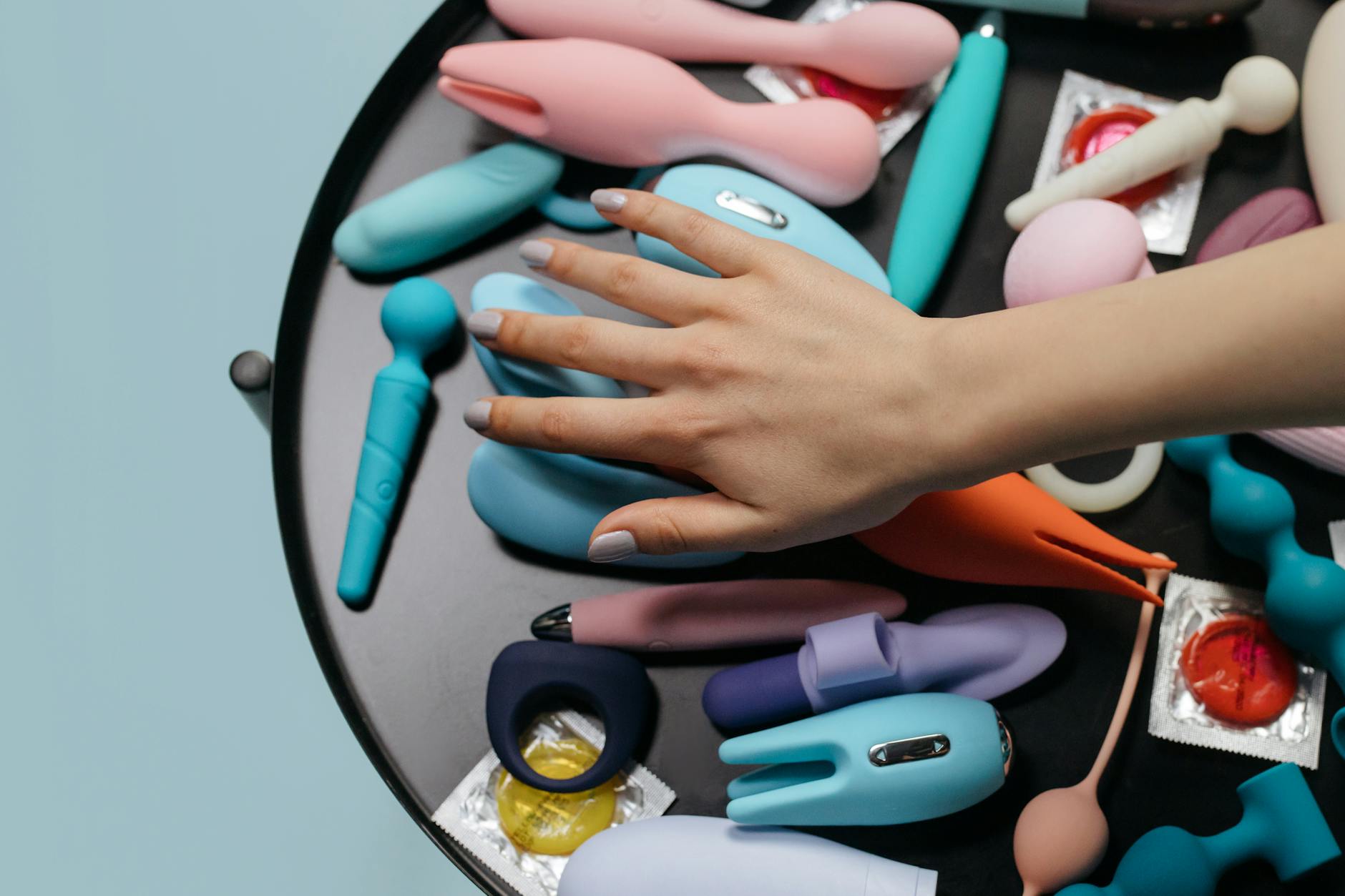
A lemon vibrator (sometimes called a lemon sucker for its air-suction technology) does something particular that manual touch or fantasy alone can't: it bypasses the relational context and speaks directly to sensation. When you use a lemon clitoral vibrator, you're not waiting for response. You're not calibrating around someone else's rhythm. You're not performing. You're just receiving.
For people rebuilding desire after a partner's withdrawal, that matters enormously. The air-suction design of clitoral vibrators like the Lem creates a kind of stimulation that requires zero contribution from a partner and zero emotional labor. It's sensation for sensation's sake. And sensation is how you teach your nervous system that wanting is safe again.
The lemon clitoral vibrator is particularly good at this because the suction pattern mimics a technique that's naturally pleasure-focused without requiring skill or coordination from anyone else. You turn it on and receive. No negotiation. No waiting. No wondering if you're too much or not enough.
Start with exploration, not performance
When you've been in a pattern of waiting for your partner to initiate, solo pleasure can feel weirdly wrong at first. You might feel guilty. Disloyal. Like you're settling. That's the suppression talking.
Start by setting aside 20 minutes when you won't be interrupted. Not for orgasm (though that might happen). For exploration. Use the lemon vibrator on the lower settings (patterns 1 through 3 on most designs) and notice what's actually pleasurable versus what you think should be pleasurable. There's a difference. When you've been deprioritized by a partner, you often can't feel the difference anymore.
Try the device for 3 to 5 minutes, then pause. Notice what happened. No judgment. Did sensation build? Did you feel present or did your mind wander to what your partner might think? Did you feel permission or guilt? This exploration phase typically takes 2 to 3 weeks of consistent practice before pleasure stops feeling like theft.
Build frequency before intensity
I don't recommend going from "I haven't pursued my own pleasure in two years" to "I'm using the lemon vibrator for 45 minutes daily." That's a shock to your system and also sets you up for a performance mentality. Instead, build frequency.
Week one: 3 sessions of 8 to 12 minutes.
Week two: 4 sessions of 10 to 15 minutes.
Week three: 4 to 5 sessions of 12 to 20 minutes.
You're not chasing orgasm. You're building a nervous system pattern that says, "Wanting myself is normal. Pleasure that doesn't come from a partner is real pleasure." Frequency trains this better than duration does. Frequent small sessions reprogram your brain faster than occasional long ones.
The neurological reset that happens
When you practice pleasure independently and regularly, your brain's dopamine response begins disconnecting from your partner's approval and reattaching to sensation itself. This is not metaphorical. This is neurobiology. After 4 to 6 weeks of consistent independent pleasure practice with a lemon vibrator, most people report that desire starts returning even outside of those solo sessions. Their baseline arousal lifts. They initiate more. They feel more capable of being wanted because they're practicing the sensation of wanting themselves.
You might also notice that your partner's lower initiation suddenly bothers you less, not because you don't care anymore, but because you're not dependent on it for validation. Sometimes that shift is what actually opens the door for a real conversation with your partner about what's happening for them. Sometimes it just means you've reclaimed your own pleasure, and that's enough.
How to use the lemon vibrator when your partner is home
This gets tricky. You can either:
Option one: Integrate it into partnered sex. Show your partner the lemon vibrator and use it while they're inside you or next to you. This can actually rebuild their interest in initiating because they see you lit up. You're modeling pleasure, and that's attractive.
Option two: Keep this solo practice solo, at least for the first 4 to 6 weeks. It's yours. Your nervous system needs to learn that you're worthy of pleasure independent of anyone else's presence.
There's no wrong choice. I usually recommend option two first because the reset happens faster when it's truly yours. Then, around week 6 or 7, you can experiment with integration if you want to.
When to have the conversation with your partner
Don't have it while you're in the thick of rebuilding desire. Have it once you've felt the shift. Once you've rebuilt enough independent pleasure that you're genuinely less dependent on their initiation. That usually takes 6 to 8 weeks.
Then you can say something like: "I noticed I was waiting for you to want me before I let myself want anything. That wasn't working. I've been rebuilding my own relationship with pleasure, and I'm feeling more like myself." This isn't accusatory. It's contextual. It opens space for them to actually engage instead of defending.
If your partner responds well, great. You can integrate the lemon vibrator into your shared pleasure. If they don't, you've still rebuilt what actually matters: your own capacity to want and receive pleasure without waiting for permission.
The long-term shift that happens
You'll notice that after 8 to 10 weeks of regular practice with a lemon clitoral vibrator, desire doesn't just return. It changes. It becomes less reactive (less dependent on what your partner is doing) and more intrinsic (more connected to what you actually want). You initiate more. You're less resentful about mismatched desire. You're also harder to hurt with rejection because your pleasure doesn't live entirely in someone else's hands anymore.
This is the actual fix for mismatched initiation. Not forcing your partner to initiate more. Not guilt-tripping them into wanting you. Not waiting and hoping. It's you, alone with a tool designed for pleasure, teaching your nervous system that you're worth desiring. Everything else follows from that.
People also ask
How often should I use a lemon vibrator if I'm rebuilding desire?
Start with 3 to 4 sessions weekly for 10 to 20 minutes each. Frequency matters more than duration. Your goal is to build a consistent nervous system pattern, not to chase orgasm. Most people see the biggest shifts around week 4 to 6 when pleasure stops feeling like rebellion and starts feeling like normal.
Can using a lemon vibrator alone make my partner want to initiate more?
Not directly. But when you rebuild your own pleasure and initiate more, your partner often responds. They see you wanting. They see you lit up. Desire is contagious. That said, if your partner has stopped initiating because of stress, depression, or relationship issues unrelated to you, a vibrator won't fix that. The conversation and potentially couples work becomes necessary.
Is it disloyal to use a lemon clitoral vibrator when my partner has low desire?
No. It's actually the opposite. You're not cheating. You're not replacing them. You're healing yourself. And a healed, pleasure-connected version of you is better for your relationship than a depleted, resentful version. Reclaiming your own sexuality is often what saves relationships, not what damages them.
How do I use a lemon vibrator without feeling guilty about it?
Guilt usually comes from messaging that says your pleasure should only happen with or for your partner. That's false. You're a whole person with your own nervous system. Pleasure is self-care, not betrayal. If guilt persists after 3 to 4 weeks, it might be worth exploring with a therapist or relationship counselor because that's deeper than vibrators can address.
Should I tell my partner I'm using a lemon vibrator to rebuild desire?
Not immediately. Give yourself 4 to 6 weeks of solo practice first. Once you've rebuilt enough that you feel independent again, you have options. You can tell them and suggest integration. You can keep it private. You can bring it into conversation as part of a larger discussion about mismatched desire. There's no timeline. It's your practice.
What if my partner gets upset when they find out I'm using a lemon vibrator?
That's actually valuable information about what's happening in your relationship. Upset about you experiencing pleasure independently usually signals deeper issues around control, insecurity, or mismatched values around sexuality. That's not a vibrator problem. That's a relationship problem that needs real conversation, and possibly professional support. A lemon clitoral vibrator can't fix relationship dynamics, but it can help you get clear enough to see what actually needs fixing.
The actual takeaway
When your partner stops initiating, you don't rebuild desire by waiting for them to start again. You rebuild it by practicing pleasure independently and regularly. A lemon vibrator is a tool for that practice. The real work is showing up for yourself, which is exactly what your partner should have been doing but couldn't. And once you've done that work, you'll be in a much better position to decide what comes next in your relationship, whether that's reconnection or something else entirely.
If you're feeling lost in this dynamic and need more support, our contact page has resources and options to explore next steps.