When pleasure stops feeling like anything
Let's be real. You've been using the same toy on the same setting for months, maybe years. The first time it made you come in under two minutes. Now it takes fifteen, or it doesn't happen at all. You're not broken. Your clitoris isn't tired. What's happening is desensitization—and it's reversible.
Vulva desensitization happens when you repeatedly use intense, high-frequency vibration on sensitive tissue. Think of it like your hand losing feeling after holding ice for too long. Your nerve endings adapt. They stop responding the way they used to. The good news: a structured reset using a different type of stimulation, particularly suction-based toys like Hello Nancy's lemon vibrators, can restore sensation faster than you'd expect.
Understanding why desensitization happens
Your clitoris has roughly 8,000 nerve endings packed into a structure smaller than a pea. Expose those nerves to the same intense frequency repeatedly, and they become less responsive. It's neurological, not psychological. High-powered vibrators ranging from 5,000 to 10,000+ vibrations per minute can trigger this adaptation, especially if you're using them daily or exclusively.
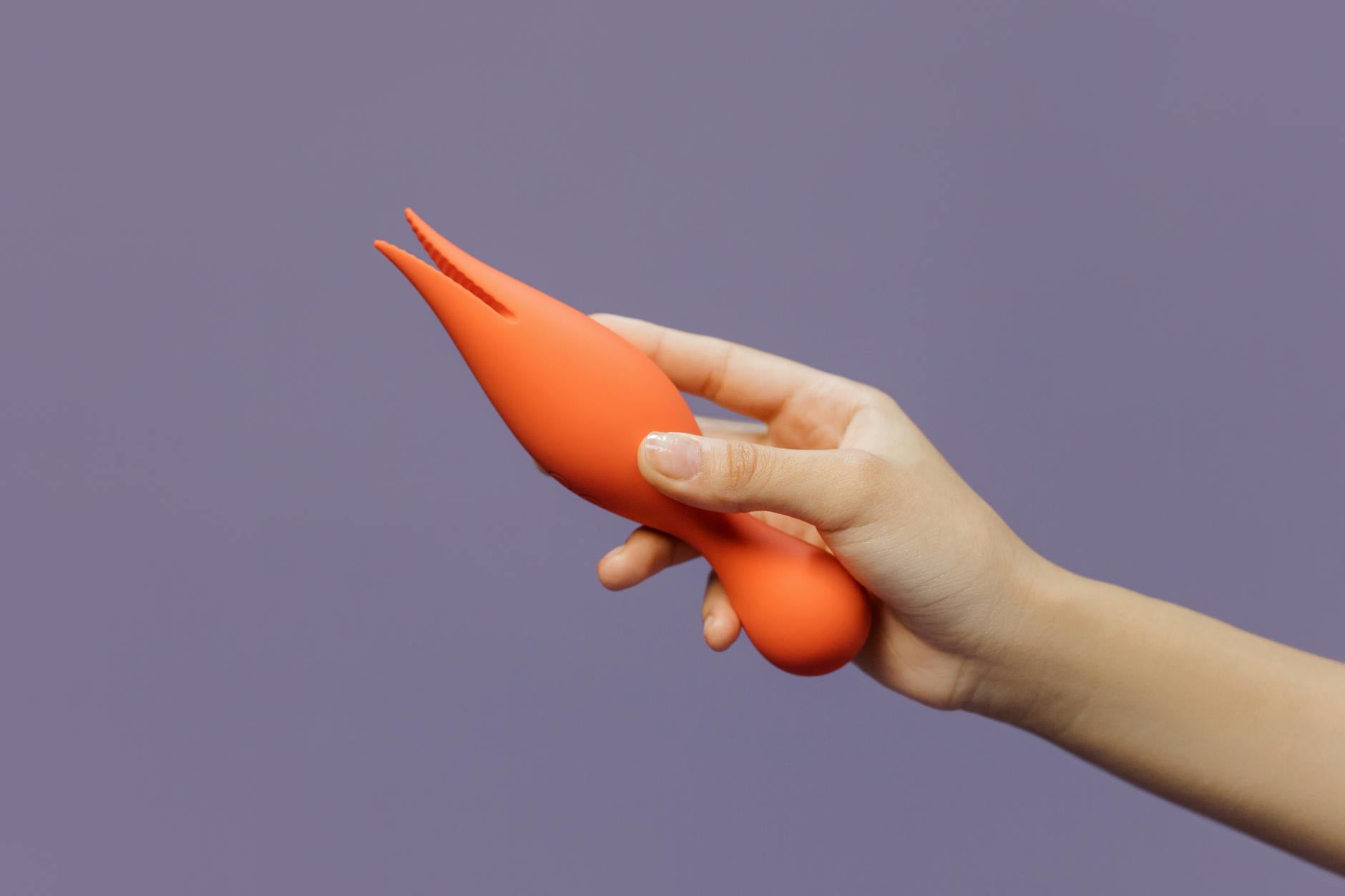
The lemon clitoral vibrator works differently. Suction-based stimulation pulls tissue into a soft chamber rather than vibrating it. This activates different nerve pathways and creates a gentler, broader stimulation pattern. That difference is exactly what you need for a reset.
Why suction feels different from vibration
Vibration is fast, repetitive, and concentrated. Suction is rhythmic, sustained, and distributed across the entire clitoral structure. When your nerves have adapted to one pattern, switching to another essentially wakes them up. Research on clitoral pleasure shows that varying stimulation types—mixing rhythm, intensity, and mechanical action—produces stronger responses than repeating the same input endlessly. A lemon vibrator's suction pattern is the opposite of what desensitized you in the first place.
The three-week reset protocol
If you want to restore sensation, commit to this timeline. Skipping steps or rushing the process defeats the purpose.
Week one: Abstinence from your usual toy
Stop using your high-powered vibrator entirely. I know that sounds extreme, but this is the reset button. You're not giving up pleasure. You're clearing the slate so your nerves can resensitize.
For seven days, avoid any genital stimulation beyond normal washing and touching. This includes solo play and partner touch. Your nervous system needs genuine rest. Use this time to notice when you naturally feel aroused without relying on toys. That's your baseline.
Week two: Introduction to gentler suction
On day eight, try your lemon vibrator on the lowest setting (typically pattern 1 or 2). Start with five to ten minutes of exploration. Don't expect an orgasm. That's not the goal yet.
Focus on sensation mapping. Move the toy slowly around your clitoris, noticing differences between the clitoral hood, the visible tip, the sides, and the lower body of the clitoris. Most people discover that sensitivity has redistributed. Areas that felt numb with vibration suddenly respond to suction.
Do this every other day. The breaks between sessions matter because your nerves are healing. On the days you don't use the toy, you can have partnered sex or masturbate with hands only. Hand stimulation won't re-trigger desensitization because human touch has variable rhythm and pressure.
Week three: Gradual intensity increase
Once you're comfortable with pattern 1, try moving to pattern 2 or 3. But here's the critical part: use each pattern for only 8-12 minutes per session. You're rebuilding endurance gradually, not chasing immediate orgasm.
If you're noticing increased sensation—maybe you feel more pleasure, or orgasms are coming faster—that's the reset working. Don't spike the intensity. Stay at the pattern that feels good and resist the urge to push harder. The goal is sustainable pleasure, not back to the numbness.
Rebuilding pleasure with your partner
If you're in a relationship, your partner needs to understand what's happening. Desensitization isn't about them or the relationship. It's a physical adaptation that requires a structured pause.
Involve them in the reset. They can be present during toy exploration without touching, building anticipation. Once you've rebuilt some sensitivity (usually by week two or three), incorporate them back into the process. Hand stimulation combined with suction often produces more intense responses than either alone because you're engaging different nerve groups simultaneously.
There's also a psychological component. When desensitization happens, it often coincides with reduced novelty or excitement. The toy becomes routine. Reintroducing partner presence, or shifting when and where you use the toy, can restore mental engagement alongside physical sensation.
Common mistakes during the reset
Don't restart your old toy "just once." One session with high-frequency vibration resets your desensitization progress. You'll spend another week recovering.
Don't expect instant results. Sensitivity returns gradually. Some people feel changes by day five. Others take the full three weeks. Impatience will drive you back to what you know works, and the cycle restarts.
Don't assume you need a new toy after the reset. The lemon clitoral vibrator works for desensitization recovery and ongoing pleasure maintenance. Many people stay with suction-based stimulation because once they've rebuilt sensitivity, they prefer the broader, more nuanced sensation to straight vibration.
Preventing desensitization from returning
Once you've reset, vary your approach. Alternate between suction and vibration. Use your toy three to four times per week instead of daily. Spend time with hand stimulation and partner touch between toy sessions. This variety keeps your nervous system engaged and prevents the adaptation cycle from repeating.
Many of my clients also find that using a lemon vibrator at lower intensities actually produces stronger, longer-lasting orgasms than the high-powered settings they were chasing before. That's not coincidence. When your clitoris is properly sensitized, it doesn't need punishment. It needs presence.
When to seek additional support
If you complete the three-week reset and sensation hasn't improved, or if you experience pain during any part of the process, check in with a pelvic health physical therapist or a gynecologist experienced in sexual health. Sometimes numbness masks other issues—pelvic floor tension, hormonal shifts, or neurological changes—that need professional evaluation.
Desensitization is common and fixable. But it's also worth ruling out other contributing factors. You deserve to feel good again.
FAQ
How long does it take to recover from clitoral desensitization?
Most people notice improvement within one to two weeks using a lemon vibrator's suction stimulation. Full recovery of previous sensation typically takes three to four weeks. Recovery speed depends on how long you were desensitized and how frequently you were using high-intensity toys. Someone who overused a vibrator for three months will recover faster than someone who's been doing it for three years.
Can I use my lemon vibrator every day during the reset?
No. Daily use replicates the pattern that caused desensitization in the first place. Stick to every other day or three times per week. The rest days are when your nerve endings recover. This rhythm prevents re-adaptation while still allowing regular pleasure.
Will switching to a lemon clitoral vibrator permanently fix desensitization?
Switching toys helps restart sensation, but the underlying issue is repetitive, intense stimulation. A lemon vibrator can support recovery and prevent future desensitization because suction engages a broader sensory pattern than concentrated vibration. However, if you return to using high-frequency vibration exclusively, you can desensitize again. Variety in stimulation type is your best long-term strategy.
Is desensitization the same as not being able to orgasm?
No. Desensitization is reduced sensation or slower response. You might still have orgasms, but they take longer to reach or feel less intense. Some people with desensitization lose the ability to orgasm temporarily. Both are reversible with the reset protocol. If you've completely lost the ability to orgasm alongside desensitization, a pelvic health specialist should evaluate whether other factors are involved.
Can my partner help me through the reset?
Absolutely. Partners can provide hand stimulation, offer presence during toy exploration, and help you stick to the schedule. What they shouldn't do is introduce vibration during the reset period. Hand-based touch—fingers, toys without vibration, or oral stimulation—complements the reset beautifully. It's only high-frequency vibration that needs a pause.
What if I slip up and use my old toy during the reset?
You'll likely reset your progress. If you use high-intensity vibration once during week two, you're essentially back to day one of the reset. That doesn't mean you've failed. It means you start the three-week protocol over. This is why setting clear boundaries with your old toy helps. Store it somewhere less accessible or ask your partner to hold it temporarily if you know you'll be tempted.
Moving forward with renewed sensation
Desensitization feels permanent when you're in it. Your clitoris feels numb, pleasure feels distant, and you wonder if you've broken something. You haven't. Your nervous system is just overloaded and needs a break. A reset using a different type of stimulation—like the gentle suction of a lemon vibrator—genuinely works. Most people emerge with stronger, faster, deeper sensation than before. Your best orgasms might actually be waiting on the other side of this pause.
If you're ready to rebuild, start the three-week protocol this week. Your pleasure is worth the structure. And if questions come up along the way, reach out. That's what we're here for.
References
Bohm-Starke, N., Gunnarsson, J., Nilsson, M., & Nordling, L. (2012). Localized provoked vestibulodynia is associated with measures of hypertonicity of the pelvic floor muscles. Journal of Sexual Medicine, 9(1), 157-164.
McCabe, M. P., Shackelford, T. K., & Goetz, A. T. (2012). Satisfaction and sexual dysfunction in intimate relationships. The Journal of Sexual Medicine, 9(6), 1681-1691.
Meston, C. M., & Frohlich, P. F. (2000). The neurobiology of sexual function. Archives of General Psychiatry, 57(11), 1012-1030.
Oddens, B. J., de Boeck, P. R., & Saris, W. E. (1999). Sexual dysfunction and age. The British Journal of Sexual Medicine, 26(3), 16-18.