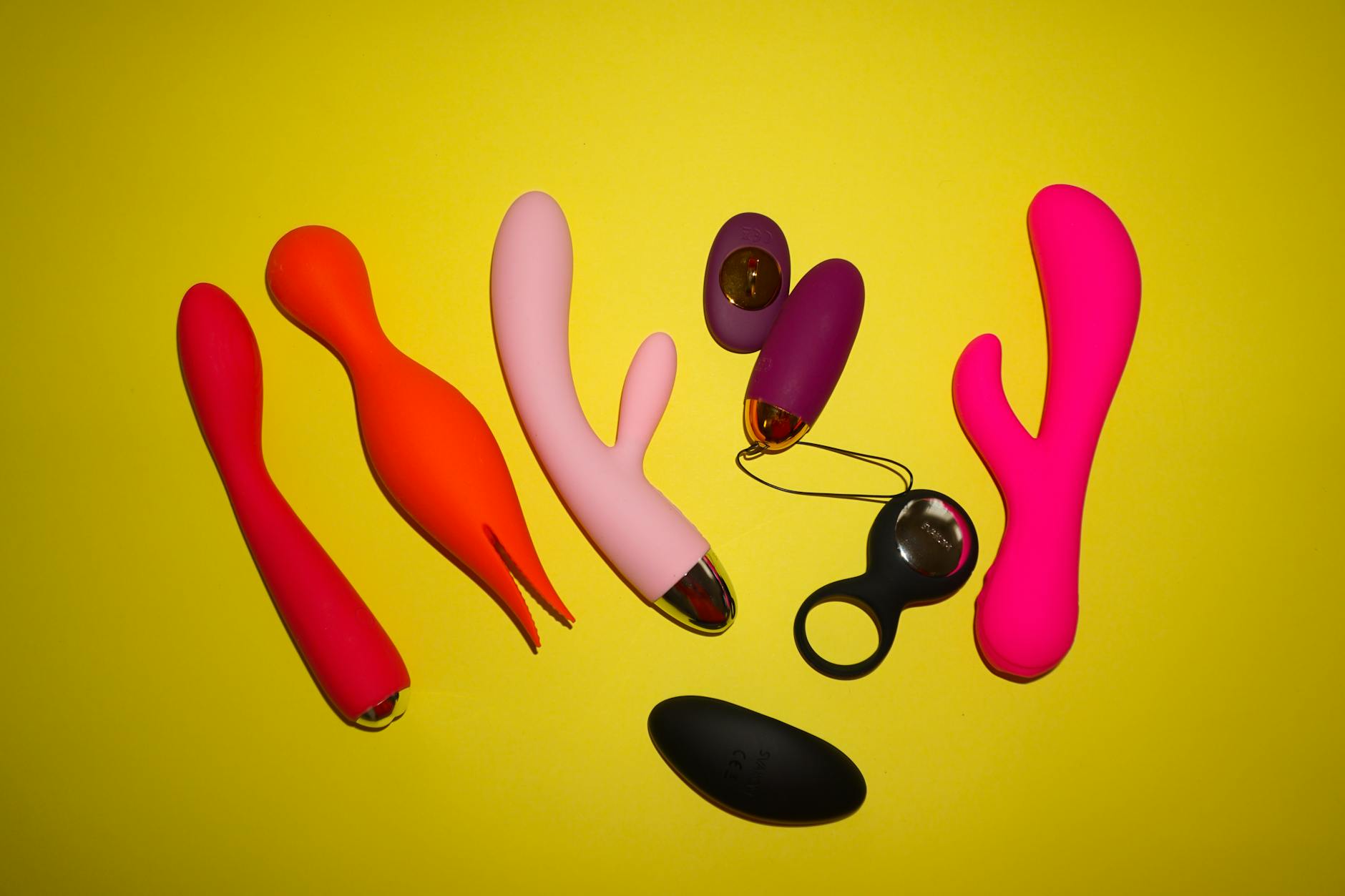
The honest conversation nobody's having
Let's be real. Antidepressants are life-changing. They pull you out of the fog, quiet the intrusive thoughts, make mornings less unbearable. But somewhere around week three or four on your new dose, you might notice your body's gone quiet too. Arousal takes longer. Orgasms feel muted or just don't show up at all. Your partner touches you and you feel... nothing.
That's not a personal failing. That's a medication side effect, and it's more common than anyone talks about. Studies suggest between 40-60 percent of people on SSRIs or SNRIs experience some form of sexual dysfunction. Most doctors mention it in passing ("a small percentage of patients report...") and then move on. Which is frustrating because it's actually anything but small.
Here's what I want you to know: you don't have to choose between mental health and pleasure. There are concrete strategies to work with your body instead of against it.
Why antidepressants flatten sensation
SSRIs and SNRIs work by increasing serotonin availability in your brain. More serotonin lifts mood, eases anxiety, quiets rumination. It's genuinely helpful. The side effect is that serotonin also plays a role in sexual response. More serotonin can mean delayed orgasm or anorgasmia, reduced libido, and dulled physical sensation.
It's not the same as depression killing your desire. Depression creates emotional numbness and exhaustion. Depression medication sometimes creates physical numbness. The two feel similar but they're completely different problems.
The physical piece is key because it's actually addressable. Your nerves aren't broken. Your clitoris didn't stop responding. The signal between your body and brain got quieter. Stronger, more targeted stimulation can bridge that gap.
The neurology of clitoral suction
Here's why lemon vibrators and other air-suction tools work especially well for medication-blunted sensation.
Traditional vibrators work through rapid vibration. That's excellent for many bodies, but when sensation is dulled, traditional vibration might not create enough intensity to break through. You end up chasing a feeling that never quite arrives.
Clitoral suction works differently. Instead of vibration, it creates a gentle pulse and release pattern that stimulates the entire clitoral complex. The sensation is stronger without being harsh. It feels more like oral sex than like a traditional vibrator, which is relevant because the clitoral complex responds to the combination of suction and movement in a way that cuts through medication-related numbness more reliably.
Users report that lemon suction toys hit a different neurological pathway. If you've been using a traditional vibrator on medium or high and feeling nothing, the gentle suction pattern of a lemon clitoral vibrator often registers immediately.
Building sensation back is a practice
The first time using a lemon vibrator after months of numbness can feel shocking. Not in a bad way. More like your body suddenly woke up and you forgot what that felt like. Which is disorienting, honestly. So start small.
First session: use the lowest setting for 5-10 minutes. Just get used to the sensation. Don't expect an orgasm. You're basically reintroducing your nervous system to pleasure. This matters more than you'd think.
Second and third sessions: try different patterns or settings. Notice what feels different from what you were getting before. A lemon clitoral vibrator typically has 3-5 distinct patterns. One might feel too buzzy, another too subtle. You're calibrating.
After a week or so: your body starts remembering what arousal feels like. This is when the real work begins. Now you're actually rebuilding the neural pathway between sensation and pleasure.
Most people see meaningful changes within 2-3 weeks of consistent use. That doesn't mean you'll have instant orgasms. It means sensation returns. Arousal builds. Your body feels like your body again.
Timing and setting matter way more than you think
If you're taking SSRIs, you're probably taking them in the morning. By evening, your medication level is stable and consistent. That's actually the ideal time to rebuild sensation because your neurochemistry is predictable.
Try exploring pleasure on a night when you have time, no pressure, and your body isn't tired. Fatigue and depression medication stacked together is a one-two punch against arousal. So if possible, Tuesday evening might work better than Friday after work.
Privacy also matters. If you're anxious about being interrupted, your nervous system stays in a lower gear and sensation dulls further. Lock the door. Use noise. Do whatever you need to feel safe and undisturbed.
Layering sensation rebuilds faster than solo work
If you have a partner, this is worth telling them: using a clitoral vibrator isn't about them not being enough. It's a tool for your nervous system, like taking your SSRI is a tool for your mood. Some of my clients find that they rebuild sensation faster when they use a lemon vibrator while their partner is also present and involved.
Not sex. Just presence. Your partner touching you elsewhere, kissing your neck, being attuned while you're using the device. That multi-sensory input helps your nervous system register pleasure more completely.
Other people prefer solo use. Your clitoris doesn't care about the context, but your nervous system does. So pick whatever scenario makes you feel most relaxed and most yourself.
When to talk to your doctor
If you've been on the same SSRI dose for months and sensation still hasn't returned, bring this up. Your doctor has options. Some people switch to a different antidepressant class. Others add a second medication specifically to counteract sexual side effects. A few adjust timing or dosage.
The key is: this is a legitimate medical conversation. You're not being vain or selfish. Sexual function is part of overall health. A good doctor will take this seriously.
If you're thinking about stopping your antidepressant because of sexual side effects, talk to your prescriber first. Stopping suddenly can be genuinely harmful. But adjusting your treatment plan? That's completely reasonable.
What a lemon clitoral vibrator actually does for depression medication numbness
Lemon vibrators combine clitoral suction with targeted rhythm in a pattern that mimics natural stimulation. When your nervous system is dampened by serotonin regulation, that pattern is strong enough to register as pleasure without being painful or overwhelming.
The device is also portable, quiet, and discreet. Which matters because shame often wraps around depression medication sexual side effects. You're already dealing with one medical reality. You don't need to add embarrassment.
Using a lemon sucker isn't admitting defeat with your medication. It's working with your body's current state while you continue treating your mental health.
One more thing: pleasure is still possible
The most important thing I tell my clients is this: depression medication doesn't end pleasure. It changes the path to pleasure. That path might look different from before. It might require more direct stimulation. You might need to be more intentional about creating space for arousal.
None of that means you've lost your capacity for pleasure. It means you're rebuilding it with new information about how your body works now.
Many of my clients find that their sexuality actually becomes richer after they navigate this transition. They understand their body better. They're more intentional about pleasure instead of passive. They stop waiting for spontaneous arousal and start creating it deliberately.
That's not a consolation prize. That's actually a significant shift in how many people experience sexuality across the rest of their lives.
FAQ: Depression medication, antidepressants, and pleasure
How long does it take for antidepressants to affect sexual function?
Most people notice sexual side effects within the first 2-4 weeks of starting an SSRI or SNRI. Some experience them immediately. Others take 6-8 weeks for the full effect to show up. The timeline varies wildly depending on the medication, your dose, your body chemistry, and what kind of sexual function we're talking about. Reduced desire often shows up first. Difficulty with orgasm or sensation usually follows.
Can I use a lemon vibrator while still taking my antidepressant?
Absolutely. Using a clitoral vibrator isn't a medical intervention. It won't interfere with your medication or make your antidepressant less effective. What you're doing is working with stronger stimulation to rebuild the sensation your medication has dampened. Your psychiatrist doesn't need to approve it, but they should know you're addressing this because it affects your overall treatment plan.
Will switching antidepressants definitely fix the sexual side effects?
Maybe. Some people switch medications and their sexual function returns completely. Others switch and still experience some blunting. It depends on the specific medication, your brain chemistry, your dose, and other factors your doctor can discuss with you. Bupropion (Wellbutrin) and mirtazapine tend to have fewer sexual side effects than SSRIs, but they're not right for everyone. The conversation with your prescriber matters here.
Is using a vibrator a sign my depression medication isn't working?
No. Depression medication works on mood and anxiety and intrusive thoughts. It doesn't work on sexual sensation as a side effect. These are separate systems. Using a lemon vibrator isn't evidence that your antidepressant is failing. It's a practical tool for one specific side effect.
Can I rebuild sensation without a vibrator?
Yes, but it takes longer. Some people rebuild sensation through consistent partnered sex, longer warm-up time, and intentional focus on non-orgasm-focused pleasure. Others use manual stimulation. All of these work. A lemon clitoral vibrator just accelerates the process because the stimulation is more intense and more targeted. If you're patient and your partner is engaged, you can get there without one.
What if I still can't orgasm after using a lemon vibrator for weeks?
First, make sure you've given it at least 3-4 weeks of consistent use. Second, check with your doctor that your medication timing and dose are stable. Sometimes a small adjustment helps. Third, consider whether anxiety or pressure is interfering. When you're expecting to have an orgasm, your nervous system often shuts down arousal. Try using the vibrator without any orgasm goal. Just sensation. Often orgasm shows up when you stop hunting for it.
The real takeaway
Depression medication gives you your life back. That's enormous. The sexual side effects are real, they suck, and they're also addressable. Using a lemon clitoral vibrator is one concrete way to rebuild sensation and pleasure while you continue protecting your mental health. It's not a workaround. It's working with your body's current state and meeting it where it is.
If you want to explore this further or have questions about how to approach your doctor, reach out at /contact. You don't have to navigate this alone.