Let's start with what nobody tells you
Pleasure after 35 doesn't get worse. It gets different. And if you know how to work with that difference instead of fight it, it often gets better.
The cultural narrative is grim. Women hit a wall at 30. Desire flatlines. Bodies stop responding. Sex becomes something you do out of obligation or habit, not pleasure. I've spent years working with couples navigating this exact fear, and I can tell you it's almost entirely wrong.
What actually shifts physiologically
There's real science here, so let's be direct about it. After 35, several things change in how your body responds to touch and arousal.
Estrogen levels begin a slow, steady decline. This doesn't happen overnight, and it varies wildly from person to person. But the tissue in your vulva and vagina does get slightly thinner. Lubrication can take longer to build. Blood flow to the clitoris may be a bit slower to activate. Some people report that orgasms feel subtly different in texture or intensity.
And then there's this part nobody mentions: your nervous system is calmer. The hormonal cycling that characterized your twenties and thirties is less erratic. Your baseline cortisol is often lower (assuming you're not in chronic stress). Your brain is literally wired differently. Parts of your prefrontal cortex have strengthened. You're better at knowing what you want and asking for it.
That's not compensation. That's an upgrade.
Why pleasure often improves after 35
Three reasons emerge consistently in my practice.
First, reduced mental noise. By 35, you've likely stopped pretending to enjoy things you don't. You've fired partners who weren't worth your time. You know your own body better. This clarity alone shifts the experience. Many of my clients report that the first time they had an orgasm purely for themselves, without performing for a partner or worrying about timeline, was after 35.
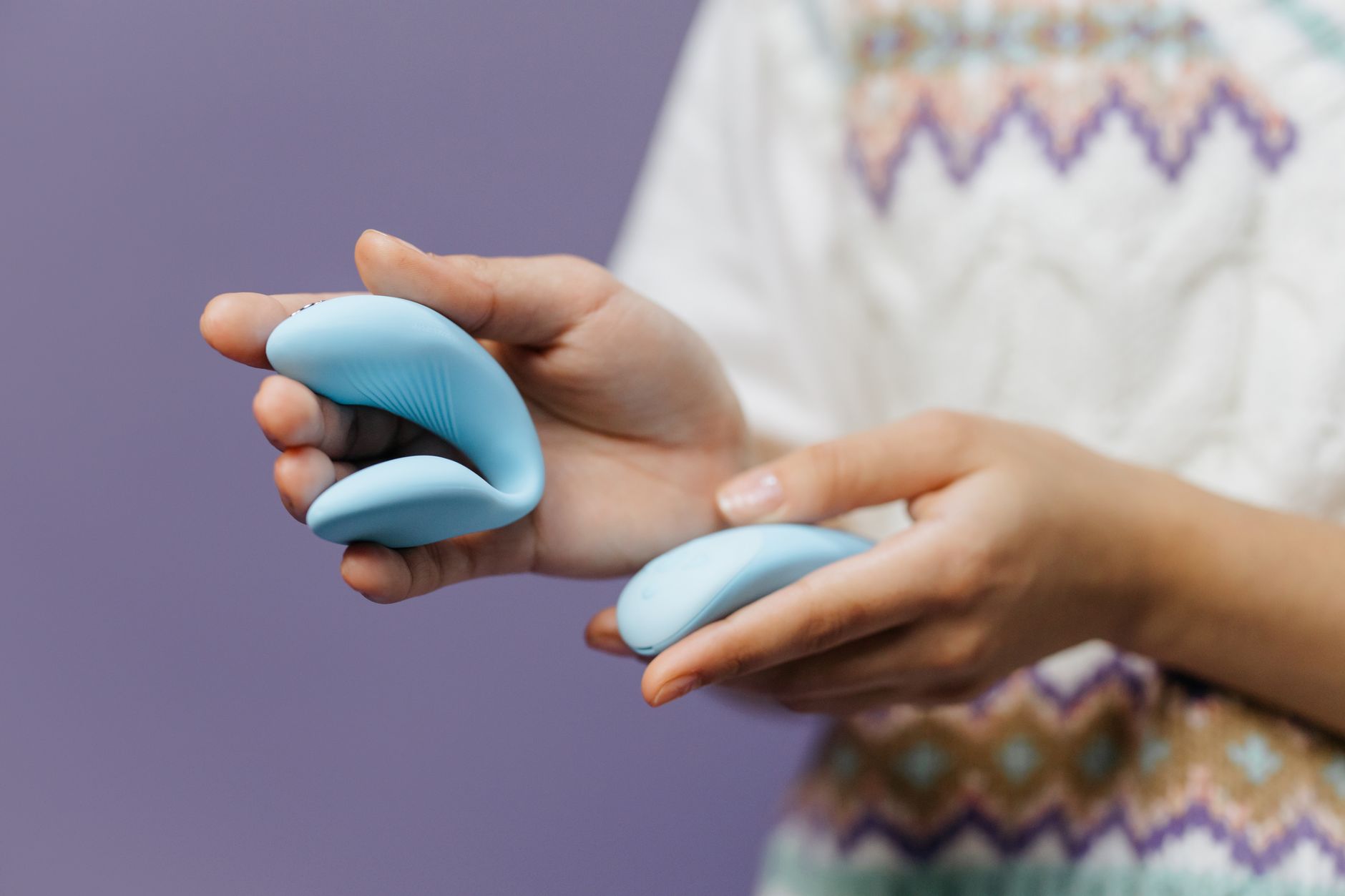
Second, better tools. Your twenties was the era of figuring out what works. By 35, you know. And if you don't, you're willing to experiment. Air-suction clitoral vibrators like the Lemon Vibrator work beautifully for the physiology after 35 because they don't depend on the exact intensity of direct friction that can sometimes feel overwhelming on more sensitive tissue. They stimulate the clitoris through gentle suction and rhythmic patterns. That's not a workaround. That's precision.
Third, permission. This is the big one. You've spent 15 years managing other people's needs and timelines. After 35, something shifts. You care less about being the "cool girl" who's always ready. You care more about your own satisfaction. That permission is the single biggest aphrodisiac. It rewires arousal from the top down.
The physical adjustments that actually help
Here are the four things I recommend to almost every woman working with a lemon clitoral vibrator after 35.
Slow your warm-up timeline. Arousal takes longer to build after 35, but the depth is often richer. Budget 20 to 30 minutes instead of rushing. Your body isn't broken. It's asking for more foreplay. Honor that.
Use water-based lubricant. Not because something is wrong with you, but because thinner tissue benefits from it. Silicone-based lubes feel luxurious but can damage silicone toys. Stick with water-based. A good lube transforms the experience from adequate to genuinely pleasurable.
Start low on the vibrator. The Lemon Vibrator has multiple intensity settings. Begin at pattern 1 or 2 and work your way up. Your tissues will tell you what they need. This isn't about being gentle with yourself. It's about being smart with yourself.
Pay attention to pelvic floor tension. After 35, many people unconsciously hold tension in the pelvic floor. It becomes a holding pattern for stress. Learning to actively relax this area, not just strengthen it with Kegels, opens up sensation that was there all along.
The emotional adjustments matter more than the physical ones
Here's what I see in my practice all the time. A woman hits 35 or 40 and notices pleasure is different. She assumes it's physical. Her body is changing. She needs to accept that sex is less intense now.
Often it's not physical at all. It's emotional. You're grieving the loss of your twenties. You're managing stress about aging, career, family, relationships. You're processing anger at a partner. You're tired. You're touched out.
All of that gets filed under "my body doesn't work anymore." It doesn't. Your body is responding perfectly to your emotional state. The solution isn't a vibrator. It's addressing what's actually happening in your life and your relationship.
This is why having the conversation with yourself matters before you introduce new tools. Ask yourself. Are you actually disconnected from pleasure, or are you disconnected from your body because of what's happening around it? The answer changes everything about how you move forward.
When using a lemon vibrator actually helps
A clitoral vibrator becomes genuinely useful when you're ready for it. Not as a fix, but as a language. The Lemon Vibrator creates a dialogue between your brain and your body. It says, "Here's sensation. Here's what feels good. Here's what your body can do."
For many women after 35, that dialogue has gotten quiet. Life happens. Stress happens. Partners change. You stop asking yourself what feels good because you're too busy managing everyone else's needs.
Using a lemon clitoral vibrator isn't selfish. It's how you rebuild that conversation. Start with the lower settings. Explore different patterns. Notice what your body responds to. Some women find that suction-based stimulation wakes up sensation they thought was gone. Others find that the Lemon Vibrator simply makes the journey to orgasm more efficient, which is its own kind of pleasure.
There's no right answer. There's only your answer.
What to do if pleasure feels genuinely flat
If you're using a lemon vibrator and still not feeling much, that's information. Not a failure.
First, rule out the physical. If you're on antidepressants, certain blood pressure medications, or hormonal birth control, those absolutely affect sensation. That's not permanent. It's a side effect. A conversation with your doctor about timing or alternatives might shift things dramatically.
Second, examine what's actually happening in your relationship. Many women after 35 realize they don't actually want sex with their partner. That's not low libido. That's clarity. The mismatch is real. Fixing it usually requires a conversation they've been avoiding.
Third, consider stress and sleep. Chronic stress tanked your baseline arousal. So does sleep deprivation. A Lemon Vibrator can't fix either of those. You can.
The vibrator is a tool. It's not therapy. But using one intentionally, with attention to what your body actually needs right now, often opens the door to conversations you need to have.
The best part about pleasure after 35
Your sexuality doesn't end after 35. It deepens. You know what you want. You're less interested in pleasing and more interested in experiencing. You're better at communicating. You care less about performance and more about presence.
That's not compensation for the physical changes. That's a legitimate upgrade. And if you add a tool like the Lemon Vibrator into that mix, one that's designed for the way your body actually works now, you get access to a kind of pleasure that most women in their twenties never experienced.
It's not what you had before. It's what comes next. And for most of my clients, what comes next is worth the wait.
People Also Ask
How does a lemon clitoral vibrator work differently on bodies after 35?
The Lemon Vibrator uses air-suction technology rather than direct vibration, which works beautifully for tissue that's slightly thinner after 35. The stimulation is gentler but often more effective because it doesn't depend on intensity alone. Many women after 35 find that lower-setting suction patterns create sensation that direct vibration doesn't, especially if you've experienced any numbing or flattening of sensation over the years.
Is using a lemon sexual toy normal at this age?
Absolutely. Studies show that women over 35 use vibrators at higher rates than younger women, often with better results. By 35, you're less concerned with what's "normal" and more focused on what works for you. That shift in perspective is why pleasure often improves. Using a lemon adult toy is just you being intentional about your own satisfaction.
Why does arousal take longer after 35?
It's partly hormonal, but mostly contextual. Your cortisol baseline is different. Your nervous system carries more life stress. You're less likely to be in a constant state of low-level arousal like you might have been in your twenties. That means you need more deliberate warm-up time. This isn't a loss. It's the body asking you to slow down and pay attention, which usually leads to better orgasms.
Can a lemon vibrator rebuild sensation after years of numbness?
Yes, but it's not magic. If you've experienced sensation loss due to antidepressants, stress, or hormonal changes, a clitoral vibrator can help rewake those neural pathways. The suction-based stimulation of the Lemon Vibrator specifically can be very effective because it offers a different sensory input than what you've been using. But it works best when paired with addressing the underlying cause (medication timing, stress, sleep, relationship dynamics).
Should I use a lemon vibrator solo or with a partner after 35?
Both work, but for different reasons. Solo use is where you rebuild the conversation with your own body. You figure out what actually feels good without the pressure of performance or timing. With a partner, a vibrator can become a tool for deeper pleasure together. Some of my clients find that introducing a Lemon Vibrator into partnered sex creates a shift from "sex as obligation" to "sex as play." The key is that your partner understands it's not a reflection on them. It's an addition, not a replacement.
What lemon vibrator settings are best for someone over 35?
Start low. The Lemon Vibrator has multiple intensity levels and patterns. Most women over 35 find that lower settings feel better than maximum intensity. Try patterns 1 through 3 first. You might discover that a gentler, more rhythmic pattern creates more pleasure than intensity does. Your tissues are more sensitive after 35, not less. Honor that by starting where it feels good and building from there, rather than jumping to the strongest setting.
The bottom line
Pleasure after 35 isn't a consolation prize. It's a different chapter. Your body is smarter, your mind is clearer, and you're more willing to ask for what you need. A tool like the Lemon Vibrator fits beautifully into this new chapter because it's designed for the way your body actually works now, not for how it worked at 25.
If pleasure has dimmed after 35, it's worth investigating why. Is it physical? Emotional? Relational? Once you know, you can actually do something about it. A clitoral vibrator might be part of the answer. But the real answer usually starts with you getting honest about what you actually want.
Ready to explore what's possible? Reach out to us if you have questions about what tool might be right for you, or check out our buying guide for more on finding the right vibrator for your body and your life.