Here's what nobody tells you about coming back to sex
Years pass. Work, stress, relationship friction, grief, medical stuff. At some point you stopped reaching for it. Not consciously, not dramatically. It just quietly fell off the map. And now you're thinking about it again. Maybe your partner mentioned it. Maybe you caught yourself feeling a flutter of something. Maybe you're just tired of feeling absent from your own body.
The thing about sexual avoidance is that it rewires you. Not permanently. But real enough that jumping back in with the same approach you used before won't work. Your nervous system needs something gentler. Your mind needs permission. Your body needs to relearn that pleasure is safe.
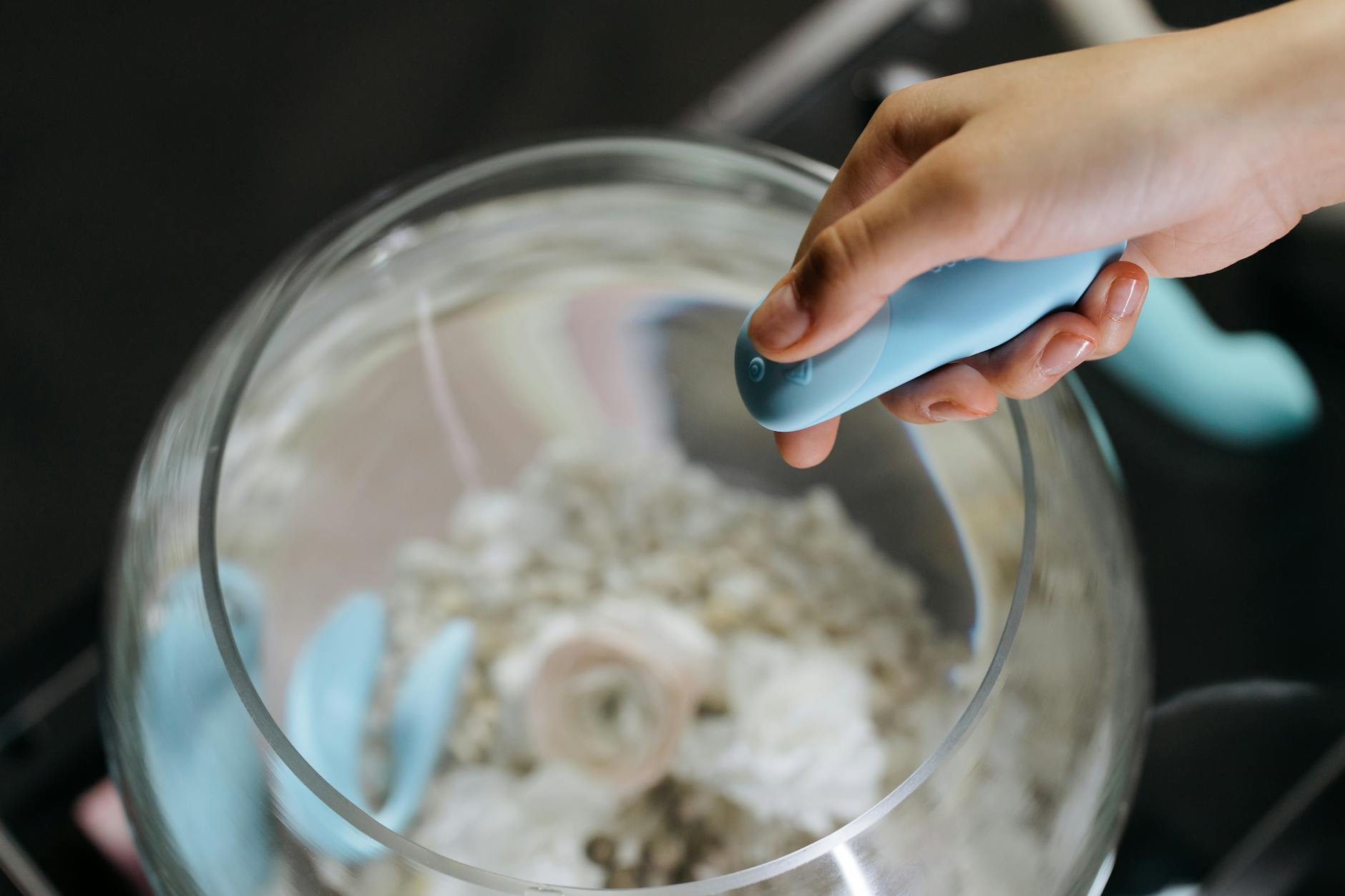
A lemon clitoral vibrator like the Lem can actually help with this, but only if you use it right. Which means slowly. Which means patience. Which means understanding what's actually happening under the surface.
Why avoidance changes how your body responds
When you stop engaging with pleasure for months or years, a few things happen simultaneously. Physically, the tissue loses some of its elasticity and responsiveness. Blood flow patterns shift. Your nervous system gets used to operating in a lower-arousal baseline. Mentally, you've built a framework where sex exists in the "I don't do that anymore" category. Your brain reinforces this. Your body follows.
This isn't shame. This isn't broken. It's adaptation. Your body got very good at not wanting something it wasn't getting. Reversing that takes more than willpower.
The other thing: if avoidance came from a partner issue, relationship trauma, or health problems, those don't magically disappear when you decide to try again. They're still there. So you're not just trying to wake up sensation. You're trying to rewire the emotional association between touch and safety.
Starting from zero with the right tool
Why a lemon sucker specifically? Traditional vibrators work through direct buzz. They demand a certain level of arousal to feel good. If you're coming back to pleasure after a long gap, that intensity can feel aggressive. It can even trigger avoidance reflex.
Suction toys like a Hello Nancy Lem work differently. They use gentle, rhythmic pressure to stimulate the clitoral tissue without the harshness of vibration. For a body that's been quiet, this feels less demanding. It feels more like an invitation than an expectation.
But here's the critical part: having the right tool only matters if you use it correctly.
The actual protocol for reintroduction
Week one: just the toy, no pressure. This week is about exploring texture and sensation. Don't aim for anything. Don't expect arousal. Just hold the Lem. Run your fingers over it. Sit with the fact that this object now exists in your life and you're choosing to engage with it. Set a timer for 5 minutes. That's it. The goal is familiarity, not climax.
Week two: on the body, no suction. Start to touch the toy to your clitoris. You're still not turning it on. You're just letting your body remember what external touch feels like. Ten minutes. This is where you'll likely notice tension or weirdness. That's normal. Your nervous system is checking: is this safe? It needs repetition to believe you.
Week three: lowest setting, shortest duration. Turn it on. Pattern one, two minutes. Stop. Breathe. Notice what you feel. If it's uncomfortable, that's data, not failure. If there's a flicker of something, that's a win. You're not chasing orgasm yet. You're chasing the feeling that your body is capable of sensation again.
Week four and beyond: gradual intensity. Only if the previous week felt genuinely good (not just tolerable) do you increase time or setting. Maybe 5 minutes at pattern two. Maybe 8 minutes at pattern three. The progression matters less than the consistency. Three times a week beats once a week. Steady beats sporadic.
What you'll actually feel (realistic edition)
People come back to pleasure with wildly different timelines. Some feel arousal spark in week two. Some take two months. Both are completely normal.
Common sensations on the way back: numbness (your body is still waking up), weirdness (touch on that area after avoidance can feel strange), gentle tingles (great sign that nerve endings are responding), or honestly nothing (patience, consistency, and sometimes a gentle conversation with a therapist about what's underneath the avoidance).
What you're probably not going to feel on day one is what you felt at 25. That's not failure. That's biology plus psychology plus time. The orgasms that come after you've slowly rebuilt this connection are often deeper than the ones you had before because they're earned through intentionality, not habit.
The role of emotional safety (it's the actual foundation)
If avoidance came from partner conflict, use this time solo. Do not introduce this back into partnered sex until you feel genuinely ready. Your nervous system needs to rebuild its trust with pleasure without the added layer of someone else's expectations.
If there's trauma attached, consider therapy alongside this reintroduction. A good therapist can help you untangle what part of the avoidance is practical (you're exhausted, your partner is dismissive) versus what part is wired into your nervous system. A lemon clitoral vibrator is a tool, not a therapy replacement.
If it's just been time and life and you stopped prioritizing it? This is actually the easiest category to return from. Your body will respond faster because there's no underlying conflict. You're just saying "I want this back" and meaning it.
Common hiccups and how to move through them
You hit a wall around week three and it's not getting easier. This usually means you're moving too fast. Dial it back. Go back to week two for another week. Your nervous system doesn't care about your timeline.
You feel guilt or weirdness using a vibrator. Sit with it. Don't push through it aggressively. Ask yourself: where is this coming from? Religious conditioning. Partner judgment. Your own internalized messages about what women should want. Once you know the source, you can actually argue with it.
Your partner isn't supportive of the reintroduction. This is its own conversation. If you're rebuilding pleasure and your partner is actively unsupportive, that's relationship friction that needs addressing separately. A Hello Nancy Lem can help you reconnect with yourself, but it can't fix relational stuff.
Nothing is happening after a month. Some bodies take longer. Some benefit from a different entry point (maybe a wand vibrator feels better than suction). Some need the professional support of a sex therapist who specializes in avoidance or trauma. None of these mean you're broken.
Why consistency beats intensity
I've worked with hundreds of people rebuilding this connection. The ones who see the fastest, most sustainable return to pleasure are almost never the ones with the most expensive toy or the fanciest technique. They're the ones who showed up three times a week for eight weeks straight, even when nothing was happening, because they'd decided their pleasure mattered.
That's it. That's the whole secret. Not the lemon vibrator. Not the suction. Not the perfect setting. Consistency plus patience plus a genuine belief that you deserve to feel good again.
When to bring a partner back in
Only once you feel genuinely comfortable with solo sensation should you think about partnered sex. And even then, start small. Maybe they're just present while you use your Lem. Maybe they watch. Maybe they use it on you while you stay in control. The integration is its own process.
The conversation before you do this: "I'm rebuilding something for myself. I want to include you, but I need to move slowly. This isn't about you or what you're doing or aren't doing. This is about me reclaiming something I set aside." That clarity helps everyone.
Return to pleasure after long-term avoidance is absolutely possible. It doesn't always look like it did before. Often it's deeper because it's deliberate. A lemon clitoral vibrator can be part of that path, but the real work happens in your commitment to showing up, week after week, and trusting that your body will remember.
Frequently asked questions
How long does it usually take to feel arousal again after years of avoidance?
There's no standard timeline, but most people notice some shift within 4 to 8 weeks of consistent use. Some feel something in week two. Others take three months. The speed usually depends on whether there's underlying relationship conflict or trauma attached to the avoidance. If it's purely circumstantial (life got busy, you deprioritized it), the return is usually faster. If there's emotional wounding underneath, give yourself more grace and time.
Can I use a lemon vibrator if I'm still avoiding sex with my partner?
Yes, and honestly you should start solo before bringing it into partnered sex. Solo use helps you rebuild the connection with your own body independently of your partner's presence or expectations. It also gives you clarity: am I avoiding because of my own stuff, or because of the relationship? That's crucial information. Once you've rebuilt solo arousal and sensation, then you can thoughtfully decide how to reintroduce partnered sex.
What if nothing happens after four weeks of using a lemon clitoral vibrator?
First, check your pace. Are you moving too fast? Go back to week two for another week or two. Second, consider the emotional layer. Is there something underneath the avoidance that a vibrator alone can't address? Therapy can be genuinely helpful here, especially if trauma or deep relational conflict is involved. Third, sometimes the body just needs more time. Some nervous systems take 8 to 12 weeks to fully trust that pleasure is safe again. Consistency matters more than speed.
Should I tell my partner I'm using a lemon sucker to rebuild pleasure?
That depends on the relationship dynamic and what the avoidance is about. If you're rebuilding solo and your partner is generally supportive, transparency can be healthy. It's a statement: "I'm taking care of myself, and I'd like your support." If the avoidance is partly due to partner issues, you don't owe immediate transparency. You get to rebuild privately first. Once you've reconnected with your own pleasure, you can decide what to share and when.
Can antidepressants or birth control interfere with reintroduction?
Absolutely. Both can dampen arousal and sensation. If you're on medication that's affecting your ability to feel pleasure, that's a conversation for your prescriber. Sometimes a dose adjustment or timing change helps. Sometimes switching medications helps. You're not stuck, but you also shouldn't expect to feel the same sensations as someone not on these medications. Adjust your expectations and give your body more time.
What if using a lemon vibrator triggers memories of the avoidance or discomfort?
That's important information, and it's worth pausing. Triggering isn't the same as retraumatizing, but if you're getting flooded with distress, slow down. Maybe skip solo vibrator use this week and just do a 5-minute body reconnection practice (breathing, gentle touch on non-sexual areas). Or consider talking to a trauma-informed therapist about the triggering. A lemon clitoral vibrator is meant to help you feel better, not to activate old wounds. Pace matters.
Final thought
Coming back to pleasure after you've stepped away is an act of self-reclamation. It's you saying: my body matters. My sensation matters. I deserve to feel good. A Hello Nancy Lem can be a meaningful part of that journey, but the real tool is your own commitment to consistency and patience. Start slowly. Trust the process. Your body will remember.