How to Use a Lemon Vibrator After Menopause: Tissue Changes and Pleasure Recovery
Let's be real. Menopause changes your body. It does not end your pleasure. That distinction matters because most conversations about sex after menopause fall into one of two camps: "everything dries up" or "nothing changes, don't worry." Both miss what's actually happening.
The good news is that understanding the shift opens the door to some of your best orgasms yet. And tools like the lemon clitoral vibrator are purpose-built for post-menopausal sensation. Here's what I see in my practice, and what the science actually supports.
What Menopause Does to Sensation (And What It Doesn't)
Estrogen has been doing heavy lifting your entire reproductive life. It keeps vulvovaginal tissue thick, supple, and well-lubricated. It supports blood flow to the clitoris and labia. It maintains the acidic environment that keeps the microbiome happy. When estrogen drops during menopause, all of that shifts.
Tissue thins. Lubrication decreases. The clitoris gets less blood flow initially, which means arousal takes longer to build. The pelvic floor loses estrogen support and can become tighter. For some people, orgasms feel different.shallower, more concentrated, or harder to reach.
Here's what doesn't happen: the clitoris doesn't stop working. The nerves don't disappear. Your brain doesn't forget how to feel pleasure. The capacity for orgasm is still there.completely intact.
Many of my clients report that their most intense orgasms come after menopause. This isn't polite fiction. It's a documented clinical pattern. The why matters.
Why Post-Menopause Pleasure Often Gets Better
Three shifts happen at once:
Mental clarity and less distraction. For decades, your brain has been managing a monthly hormonal cycle, fertility concerns, and the cultural weight of being sexually available. That load lifts. People report thinking more clearly, focusing more easily during sex, and feeling less internally fragmented. That alone transforms sensation.
Permission to prioritize yourself. After menopause, the pressure to perform for a partner or prove fertility softens. Many people explore their own bodies with genuine curiosity for the first time. They slow down. They experiment without guilt. They discover that their pleasure matters as much as they always wished it would.
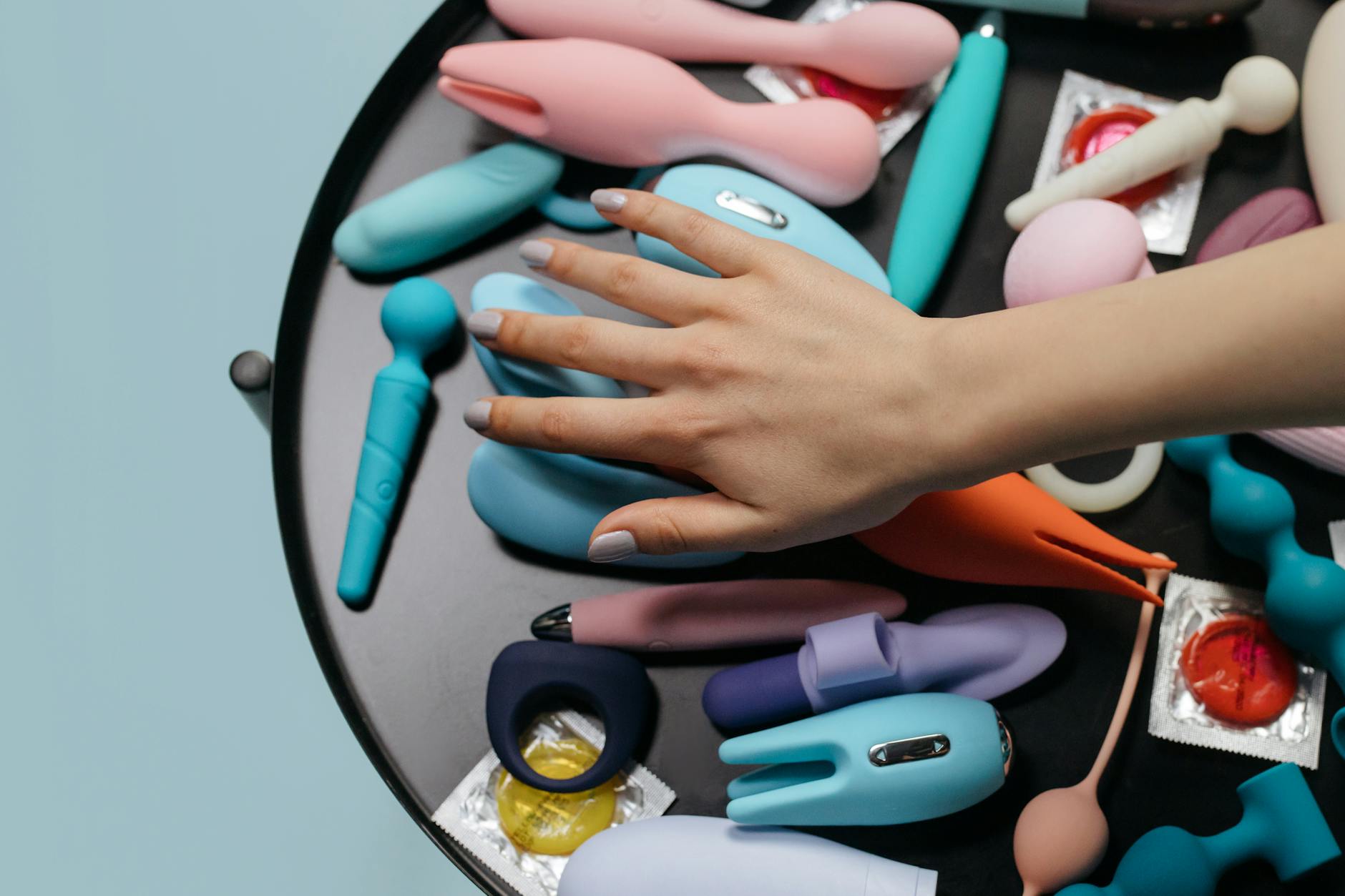
Better tools for the job. A lemon vibrator (or other clitoral suction toys) works differently than vibration alone. Suction stimulates the nerve-rich clitoral tissue without direct friction. For post-menopausal bodies with thinner tissue, this matters. It's powerful without being potentially irritating.
Photo by Madison Inouye on Pexels
Why Lemon Vibrators (and Suction Toys) Work Better After Tissue Changes
A lemon clitoral vibrator uses gentle suction and pulse patterns instead of traditional vibration. For post-menopausal bodies, this design makes a real difference.
Direct vibration on thinned tissue can sometimes feel too intense or create micro-irritation over time. Suction, by contrast, draws blood flow to the area and stimulates the internal structure of the clitoris (which is much larger than what's visible). The Lem and other suction-based lemon sexual toys distribute stimulation across a broader area, which feels less sharp and more enveloping.
The pulse patterns on most lemon adult toys are programmable or adjustable, which means you're not locked into one intensity. You can start gently and build up. That's crucial when tissue sensitivity has changed.
Honestly, if you've tried vibrators before menopause and found them hit-or-miss, a lemon vibrator might feel like discovering the right tool for the first time.
Physical Setup: What Changes After Menopause
Four practical shifts make a real difference:
Lubrication is non-negotiable. Not because you're broken. Because thinner tissue benefits from it. Use a water-based lubricant every single time. Apply it generously to the vulva and the toy. Reapply mid-session if you need to. Some of my clients keep a small bottle on their nightstand. It stops being a special occasion thing and becomes as normal as brushing your teeth.
Warm-up time extends. Arousal took five minutes before. Now budget 15 to 25 minutes. This isn't a flaw. It's an invitation to slow down and build sensation more deliberately. Light touch to the clitoris, inner thighs, labia. Let blood flow return. Use your fingers or a partner's hands first. By the time you reach for your lemon clitoral vibrator, your body is genuinely ready.
Start at lower settings. If your toy has intensity levels (and most do), begin at pattern one or two. Increase gradually. Your tissues will tell you what feels good. You're not aiming for maximum intensity. You're aiming for sensation that builds sustainably.
Pelvic floor attention. Estrogen loss means the pelvic floor can grip more tightly. This isn't wrong. But tight muscles can reduce sensation and make penetration uncomfortable. Kegels help some people. Pelvic floor relaxation helps others more. Before using a lemon vibrator, spend two minutes consciously relaxing the pelvic floor. Breathe slowly. Release any tension.
Emotional and Relational Shifts (These Matter More Than You Think)
Menopause often arrives packaged with other life changes. Grown children moving out. Relationship recalibrations. Career shifts. Grief. Aging parents. The temptation is to blame any pleasure change on hormones. Sometimes that's accurate. Often something else is wearing a hormonal disguise.
If you're in a relationship, separate the two conversations. "My body is responding differently to stimulation" is different from "I want us to reconnect." Confusing them turns both conversations into dead ends. Talk about the physical change first. Address relational needs separately.
If you're single or partnered, the most valuable thing you can do is approach yourself with curiosity rather than frustration. Your body hasn't failed. It's changed. Learning what feels good now is not loss. It's discovery.
When Lemon Vibrators Aren't Enough (And What That Means)
If pain appears during sex or use of a lemon vibrator, don't wait it out. Genitourinary syndrome of menopause (GSM) is common and highly treatable. A menopause-informed GP or gynecologist can prescribe topical estrogen creams that have minimal systemic absorption. Results often appear in weeks.
If desire has vanished completely, that's worth a clinical conversation too. Testosterone drops during menopause (yes, people with ovaries produce testosterone). Low testosterone contributes to low desire. This is treatable. It's prescribed more conservatively in some countries, but it exists and can be genuinely life-changing.
If sensitivity never returns despite consistent use of a lemon sexual toy and proper warm-up, a sex therapist who specializes in menopause can help. Sometimes the block is physical. Sometimes it's psychological or relational. Either way, support exists.
Building a Sustainable Pleasure Practice Post-Menopause
The single most important thing my clients tell me is that consistency matters more than intensity. Using a lemon clitoral vibrator twice a week, with good lubrication and patient warm-up, builds sensation faster than occasional intense sessions. Your body responds to regular, gentle attention.
Keep lubricant and your toy in an accessible place. Make pleasure a scheduled practice, not something that depends on spontaneous motivation. That sounds clinical. In practice, it's liberating. You're not waiting for the right mood to strike. You're showing up for yourself regularly.
Talk to your partner (if you have one) about what you're exploring. Not as a performance or invitation necessarily. As information. "My body needs more warm-up time." "Lubrication makes this feel better." "I'm using the lemon vibrator to rebuild sensation." These conversations deepen intimacy in ways that matter.
Frequently Asked Questions
Can I still orgasm after menopause? Yes. The pathways for orgasm are still intact. The nerves are still there. It may take longer to build, and the sensation might feel different, but orgasm is absolutely possible. Many people report more intense orgasms after menopause than before, especially with proper tools and patient attention.
Why does a lemon vibrator work better than a regular vibrator after menopause? Clitoral suction (which lemon vibrators use) distributes stimulation more gently across the clitoral structure and surrounding tissue. Direct vibration on thinned tissue can sometimes feel too sharp or irritating. Suction feels more enveloping and allows for better control of intensity. That's a real advantage for post-menopausal bodies.
How long does it take to feel sensation return? It varies widely. Some people feel a difference within two to three weeks of consistent use. Others take two to three months. Consistency matters more than intensity. Regular sessions with proper lubrication and warm-up build sensation faster than occasional intense attempts.
Is lubricant necessary after menopause? Yes. Even if you're producing some natural lubrication, adding water-based lubricant reduces friction on thinned tissue and makes sensation more comfortable and sustainable. Think of it as essential, not optional.
Should I use a lemon vibrator alone or with a partner? Both work. Solo use lets you learn your own body without performance pressure. Partnered use can be intimate and reconnecting. Neither is better. What matters is what feels right to you.
Can I use a lemon clitoral vibrator if I have vulva atrophy? Yes, but carefully and with lubrication. Start at lower intensity settings. If pain appears, stop and talk to a healthcare provider about topical estrogen. A lemon vibrator can rebuild sensation alongside treatment, but it shouldn't cause pain.
The Bottom Line
Menopause changes your body. It does not change your right to pleasure or your capacity for it. What shifts is the pathway. Longer warm-up. More lubrication. Gentler tools. A slower build. For many people, those changes lead to deeper, more intentional pleasure than anything that came before.
A lemon vibrator is built for post-menopausal sensation. It works with what's real, not against it. That's why so many of my clients find it transformative. You're not trying to recreate something you lost. You're discovering what pleasure looks like now. And honestly? That's often richer.