Let's start with the thing nobody says out loud
You can love your partner and feel nothing when they touch you. Both things are true at the same time. This isn't a sign you've fallen out of love. It's not betrayal. It's what happens to bodies after years of the same rhythm, the same pressure, the same pattern.
The research backs this up. Long-term couples report decreased arousal and sensation not because the relationship has declined, but because novelty diminishes and habituation is a real neurological fact. Your brain stops registering signals it has learned to predict.
What numbing feels like (and why it happens)
Disconnection from pleasure in a long-term relationship usually shows up as one of three things. First, you're physically present but mentally elsewhere during sex. Second, your partner touches you and you feel a vague awareness but no heat, no spark, no specific sensation. Third, you need more intensity or more novelty to feel anything at all.
Here's what's actually happening. Your nervous system has adapted to the stimulus. The same touch, in the same pattern, at the same time of day, triggers a dulled response. It's not that your capacity for pleasure has shrunk. It's that the sensory signal has become background noise.
This is especially true for clitoral pleasure. The clitoris has about 8,000 nerve endings concentrated in a tiny space. That density makes it exquisitely sensitive. It also means that repeated, predictable stimulation gets tuned out faster than sensation in less densely innervated areas.
Why a lemon vibrator actually helps
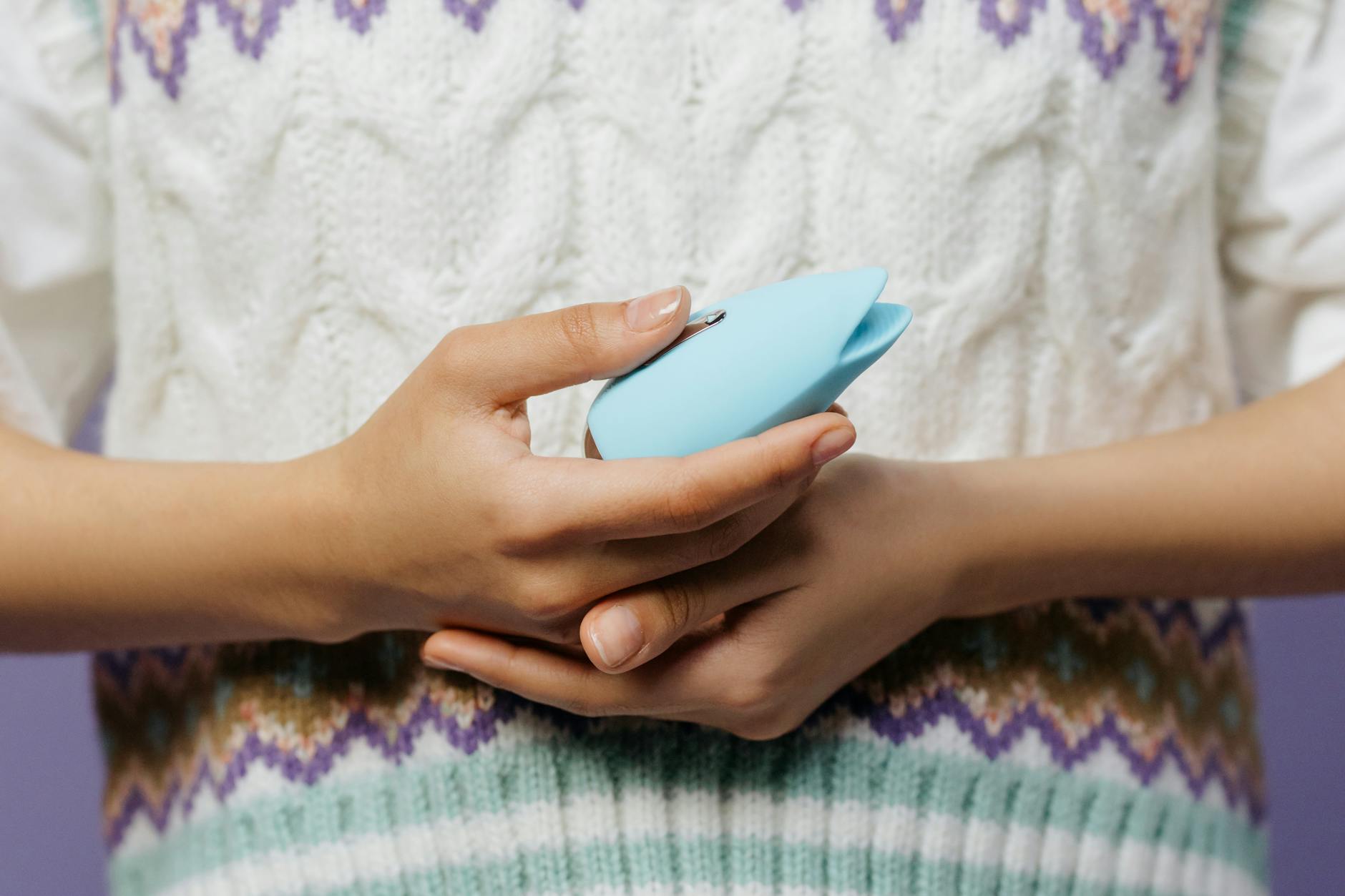
Clitoral vibrators like the Lem work because they introduce novelty and intensity in a way that wakes up your nervous system. The suction pattern and micro-vibration create a sensation that's fundamentally different from a hand, a tongue, or any manual touch your partner has been providing.
That novelty is the neurological reset you need. It's not because your partner is bad at sex. It's because your brain needs the different signal.
Second, vibration creates a frequency that your nervous system processes differently. A vibrator stimulates both the surface nerve endings and the deeper Pacinian corpuscles, which respond to high-frequency vibration. This creates a layered sensation that manual stimulation alone can't replicate.
Third, a lemon vibrator gives you control. You can adjust the intensity, the pattern, the timing. When you've spent years accommodating your partner's rhythm, reclaiming control over your own sensation is often the first step back to feeling anything at all.
How to actually introduce it (without the awkward conversation)
Honestly, the best way to introduce a lemon vibrator isn't to announce it. It's to use it during partnered sex without ceremony. During foreplay, when things are already heating up, bring it in. Show him or her or them what it feels like by letting them hold it for a few seconds while you respond.
The physical proof of your pleasure is often more powerful than any explanation. When your partner sees you respond, when they feel the change in your body, the conversation becomes unnecessary.
If you need to talk about it beforehand, keep it simple. "I want to try something that might help me feel more during sex. It's not about you. It's about reconnecting with my own sensation." That's it. No apology, no justification.
Many partners actually find using a lemon vibrator on you incredibly hot. The visual, the sound, the knowledge that they're creating that response in your body. It's not a replacement for them. It's an amplifier.
The patterns that work best
Start with the lower intensity settings. Many people who feel disconnected respond better to building sensation gradually rather than starting at full power. Use it on the external clitoris first, then try it slightly above or to the side. The suction action of a lemon clitoral vibrator means you don't need the same direct pressure you might be used to.
Setting the pattern is where it gets interesting. If manual sex has felt predictable, vary the patterns frequently. Change them every 30 seconds or so. This keeps your nervous system engaged and prevents habituation from settling in again.
Time it with your partner's touch, not against it. This is crucial. If they're inside you, use the vibrator on the clitoris. If they're using their mouth, you might use the vibrator elsewhere. The combination of sensations from multiple sources breaks the habituation pattern and creates the kind of complex input your brain actually processes.
When it's about more than sensation
Sometimes feeling disconnected from pleasure with your partner isn't purely neurological. It's also emotional. You might be carrying resentment, feeling unseen, or experiencing a disconnect that a vibrator won't fix.
A vibrator can help you reconnect with your own pleasure. That reconnection often makes it easier to reconnect with your partner, because you're bringing a sense of aliveness back into the shared experience. But it won't resolve an emotional distance that needs conversation.
If you feel emotionally disconnected, a vibrator is a tool for one part of the problem. The other part is addressing what's actually broken in the relationship. That might mean talking to your partner about what's shifted, seeking couples counseling, or having honest conversations about what each of you needs.
Using a clitoral vibrator while avoiding the real conversation is like taking ibuprofen for a broken arm. It might help temporarily, but the underlying injury needs attention.
Building this into your regular rhythm
Once you've reintroduced sensation, the goal isn't to need the vibrator every time. It's to have sex that includes novelty, variety, and genuine sensation as a baseline. This might mean different positions more often. It might mean changing the time of day or location. It might mean using the vibrator twice a week instead of every time.
Many couples find that once they've brought a lemon vibrator into their sex life, the overall pleasure increases for both partners, even during times when they're not using it. The reconnection with sensation carries over.
If you and your partner are both invested in rebuilding this part of your relationship, exploring together can actually strengthen intimacy. You're communicating about what feels good. You're paying attention to response and feedback. You're making space for pleasure instead of sleepwalking through it.
If you've felt numb with your partner for a while, you might also consider that the disconnect could be related to other factors like hormonal changes or medication side effects. If you're on antidepressants or hormonal birth control, these can genuinely reduce clitoral sensitivity and arousal. That's worth discussing with your doctor, not just accepting as permanent.
Sometimes reconnecting with pleasure requires multiple approaches. A vibrator is one of them. So are deeper conversations, couples work, and sometimes individual therapy to explore where the disconnection is really coming from.
FAQ
Can using a vibrator make me less sensitive to my partner's touch?
Not if you're using it thoughtfully. If anything, reintroducing sensation through a vibrator can make you more responsive overall. You're rewaking your nervous system, not damaging it. The key is still making space for manual sex and non-vibrational touch so your body doesn't become dependent on one type of stimulation.
What if my partner feels threatened by the vibrator?
That's often about insecurity that the vibrator will replace them. The best counter is showing them that it doesn't. Use it together, let them see how it works, involve them in the experience. Many partners who felt threatened at first become enthusiastic once they realize it's making sex better for everyone involved.
How often should I use a lemon vibrator if I'm trying to rebuild sensation?
Start with it in your partnered sex once or twice a week. The novelty and sensation input will gradually help rewire your nervous system's response. You can increase or decrease frequency based on how you're responding. There's no rule.
Is it normal that I need more intensity now to feel pleasure?
Completely normal. Your body has adapted to lower-intensity stimulation. A lemon clitoral vibrator gives you that intensity. Over time, as your nervous system recalibrates, you may find you need less. Or you might find that you simply prefer the intensity. Both are fine.
Can a vibrator help if the disconnection is about emotional distance?
A vibrator can help you feel your body again, which often helps reconnect you to your partner. But if the emotional disconnection is the root issue, the vibrator is a tool, not a solution. You'll likely need conversations with your partner or possibly couples therapy to address the deeper dynamic.
What if we're not comfortable bringing it into partner sex yet?
Use it solo first. Reconnect with your own pleasure, remember what sensation feels like when you're not performing or accommodating someone else's rhythm. Once you've rebuilt that connection, introducing it with your partner often feels less loaded and more natural.